
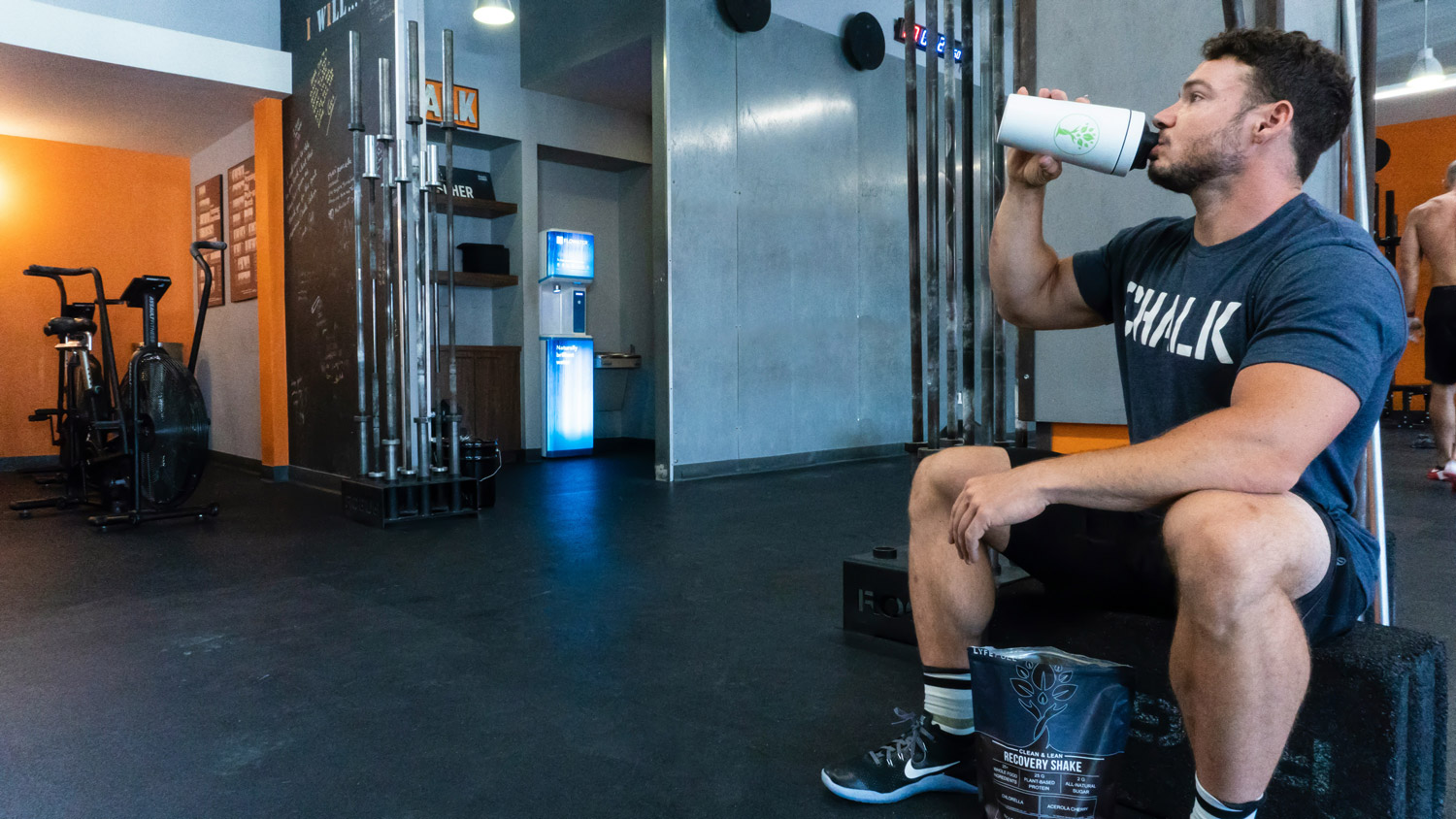
I’ve been taking (miniscule) steps towards being healthier this year… mostly in the form of information gathering. Hey, it’s a start! Anyway, I don’t ever remember hearing the word “protein” so much in my life. I’ve been out of the dieting world for a (long) spell, and I guess I was expecting to pick back up with “more fruits and vegetables!” and “for the love of your arteries, Kismet, put the french fries down!” Instead it’s all about protein. Even my beloved Dunkin’ kicked off the year with a big “protein milk” roll out (which they swear does not taste chalky, a claim I cannot verify from direct knowledge). But as is often the case, a general idea can be true (that protein is good for you), yet become unhealthy if taken to an extreme. Some nutritionists are worried the latter is happening with the current protein craze, dubbed protein maxxing. Their biggest concern? That overdoing it on the protein stresses out the kidneys. From People Mag:
“Increasing dietary protein to extreme levels cannot be acceptable,” Dr. Penny Stern, Chief, Preventative & Lifestyle Medicine at Northwell Health, tells PEOPLE. The primary health concern, she tells PEOPLE, is that too much protein can harm the kidneys.
It’s also not necessary for most people, she says, explaining that the average adult needs 0.8 – 1.2 grams of protein per kilogram of body weight. While athletes and older adults might need more to help repair muscle, the majority of people get plenty of protein throughout the day, she says. An exception might be someone on a calorie-restricted diet.
And the health risks are real.
“You can really overdo it as far as the kidney is concerned,” Stern says. “You’re forcing the kidneys to do things that can really strain it over time.” As she points out, people with renal disease are advised to limit their protein intake: “You don’t want to stress the kidney.”
“The kidneys have to filter excessive amounts of material coming from proteins, specifically things like nitrogen. The kidney gets stressed, it gets strained,” Stern says.
Stressed kidneys can lead to other problems as well, Stern says. “You can have higher blood pressure, have higher rates of inflammation … The body is not like, one organ does something and the rest just kind of sit around. Everything is connected. You don’t want to do things that will not keep the entire body as much in equilibrium as it needs to be.”
She likened protein maxxing to the Atkins diet, a low-carb, high-fat and high-protein diet that was popular in the early 2000s and counted Kim Kardashian among its fans. But some experts believe it increases your risk of heart disease and some cancers.
“Protein is an essential. It’s necessary, but anything excessive is potentially negative,” Stern says. So while she says there’s “good things to say about it,” the average person doesn’t need a diet that is ultra-high in protein.
“Moderation is the key. If you’re an elite athlete, that’s one thing, but most people, I’m sorry to say, are not elite athletes,” she said. What most people are lacking in their diet, she says, is fiber. “Most people in this country don’t get enough fiber. And that’s a huge problem. And when you load up on protein, you often crowd out other vital foods: vegetables, whole grains, fruits.”
Before embarking on a protein-maxxing journey — or any diet plan — Stern says, “talk to a medical professional.”
And overall, avoid extremes. “Extremes are not good. You want balanced. You want moderation,” Stern says. “You want people to do things that are sustainable for a lifetime.”
That last quote rings true to my ears, that the goal is for balance, moderation, and sustainability. And obviously I’ve been scientifically proving the point through practical experience… by indulging in the other direction, lol. No, I really want to do better! And luckily for me, I have zero ambitions to be an elite athlete (no offense to those that are, I just know my limits), so I won’t get caught up in a fad. I think with dieting, one of the areas that needs the trifecta of balance, moderation, and sustainability is not just the food itself, but our own pronouncements of what program we’re doing, if that makes sense. I’ve personally had a hard time with strict approaches, or declaring things entirely off limits. In fact, a strict approach is usually what has made previous diets unsustainable for me. So maybe it’s protein-focused one day, and something else another (that may or may not rhyme with wrench wries). We’re all just doing the best we can! But definitely make sure to give your kidneys a break.











Well don’t tell health czar RFK Jr. because didn’t he order all of us to be pounding down protein all the time?
Sigh. Such a difference between people like the nutritionist in this articles, people who know what they’re talking about. Vs. worm brain.
I have been working with a nutritionist for the last year or so and one of the things we have been working on is perimenopause and when you are a woman in peri you actually NEED to increase protein intake because as your hormones shift and drop off you can start to lose muscle. Same goes for fiber. Most people are worried about their protein intake when they should be focusing on fiber- the majority of people do not have enough fiber in their diets.
So yes to this post – thou its also worth noting that when you are peri-menopausal you also retain weight because of the increase in cortisol levels (its a natural occurrence but also makes it harder to lose weight esp that belly weight). I’ve been taking supplements with Ashwagandha in them, mostly to help with sleep but its big thing is also reducing cortisol levels (its worth noting that its only really for short term use – not recommended for long term).
Women actually start losing muscle mass in their 40’s. It’s not widely known because most of the health research only uses men and if they study women it is when they are past menopause because if you can get pregnant they don’t want you.
You’ve actually reminded me of something I’ve been meaning to do–consult a nutritionist. Or dietician, not sure which. I’ll ask my doc for a referral when I see her for my annual checkup in a few weeks.
My problem with the protein craze is the amount. Let’s say roughly 1x your kg weight based on those guidelines in the article. I’m menopausal so I don’t eat that much anymore, and it works for me in terms of maintaining a steady healthy weight. I eat SUPER healthy. I’m pretty active. But there’s no way I can meet that required level of protein per day! I just don’t eat that much as I get older…
I’ve started supplementing with powdered collagen which is readily available in supermarkets or online, seems less harmful than creatine and is tasteless/formless so you can easily sprinkle it over stuff like soups. But that gets me only about another 8-10g per day at best and that’s if I work at it. When you actually keep track of what you eat and calculate the protein grams, I’m lucky if I hit 30-40g per day and that’s with protein oatmeal, snacking on turkey slices, having dinner focus on good quality lean protein etc…
My sister recommended the collagen to me but I can’t help but think of it as “cow juice”, specifically ground from hooves so I can’t stir it into my morning coffee like her lol…OTOH my hair and nails are BANANAS, haven’t been that great since menopause started years ago so that’s a plus!
I periodically do the Keto diet to help manage bloat and fluid retention (thanks peri menopause) and have always made sure I eat a lot of fibre. If am having yoghurt (fat) then I will have some fruit (fibre) with it – same goes for chicken (protein) where I will have some green veg (fibre).
I have protein shakes (usually with almond milk, yoghurt, frozen fruit and flavourless protein powder) which works for me – I personally avoid flavoured powders as they have a lot of sugar in them. Same goes for those protein bars – too much sugar.
Protein is the new buzzword, like gluten-free: manufacturers stick it on everything.
I suspect the obsession with Protein was born from that same toxic masculinity that makes mem hyperfocused on whether they are an alpha, or their testosterone levels, etc. Society is so sad.
There are now “Protein Doritos” in the grocery store. This has gone too far.
i’ll call your protein doritos and raise you a protein pop-tart. that is a thing that exists now.
🤦♀️
I call your protein Poptarts and Doritos and raise you protein instant mashed potatoes…. Get more fiber, be careful with caffeine, salt, supplements and electrolytes and try to control your cortisol. The protein craze is where toxic bro culture and capitalism collide. What a time to be alive….
Sigh.
How else can we make people paranoid about something they mostly don’t need to worry about and SELL STUFF. It’s exhausting.
That and convincing everyone who goes to the gym once a year they need all the stuff elite athletes do. The electrolyte discussion has been running for a long time in our household (bf will not accept that his exercise routine isn’t intense enough to need MORE salt in his diet).
But this story has reminded me why the cat needs special food (that limits protein) as he has chronic kidney disease. It’s been a few years and I’d forgotten the ‘why’ part.