
It’s been one week since Netflix withdrew their bid for Warner Bros. Discovery, thus allowing WBD and Paramount Skydance to join in unholy monopoly. But don’t cry for streaming giant Netflix (no one was), because they found another shiny new studio toy to buy, so there! And the studio is… a small AI company founded by Ben Affleck? ‘Tis true. Ben started InterPositive four years ago, and the 16-person company has since developed an AI model that processes dailies (the unedited footage shot on set each day) for a host of postproduction tasks like lighting, effects, etc. Netflix says they’re keeping the whole InterPositive staff “through the acquisition,” however long that lasts, and that Ben will stay on as an adviser as Netflix opens up InterPositive’s resources to their full slate of productions. Throughout the announcement, Netflix and Ben were very keen to insist that InterPositive’s AI is merely a tool and this is all really good for filmmakers, they promise!
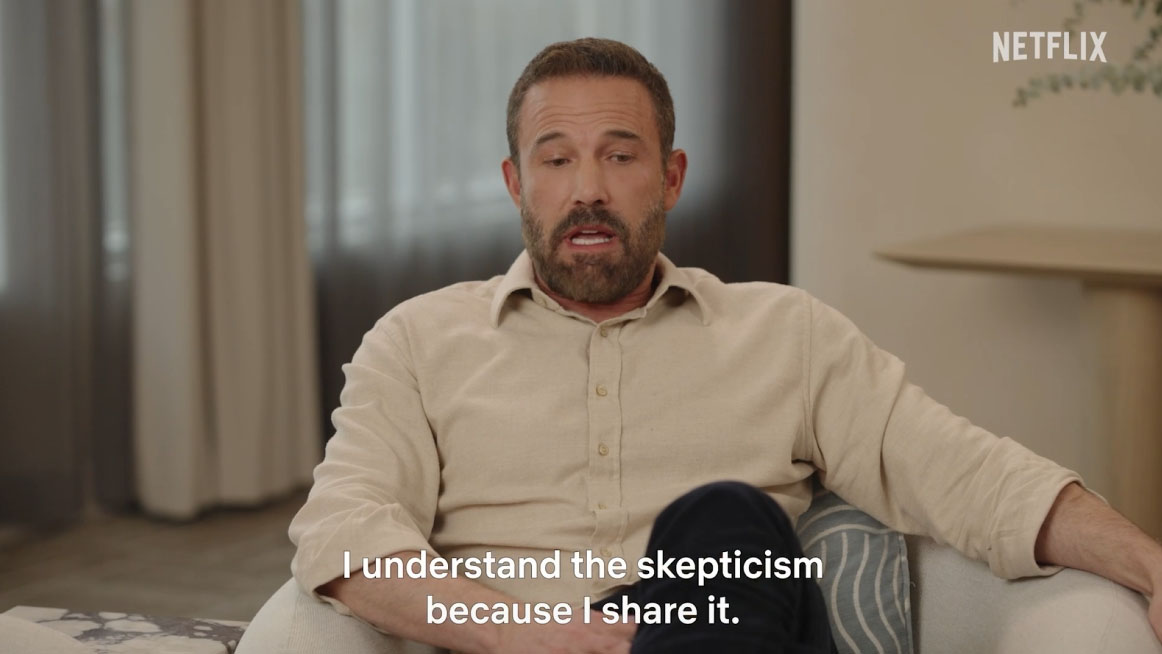
Affleck’s L.A.-based company, which has been in stealth mode since he founded it in 2022, does not produce generative AI videos à la OpenAI’s Sora. “It’s not about text-prompting or generating something from nothing,” Affleck said about InterPositive’s approach in a video that Netflix shared with the acquisition announcement. “AI, people mostly think of it as making something from nothing: ‘I’m gonna type something into a computer and it’s gonna give me a movie.’ That’s not what this is.”
The InterPositive system builds an AI model based on an existing production’s dailies, then lets a filmmaker introduce that model into the postproduction process to provide the ability to do things like mix and color, relight shots, and add visual effects, Affleck explained…
Bela Bajaria, Netflix’s chief content officer, said InterPositive’s AI technology will provide its partners “more choices, more control and more protection for their vision.”
“Our relationship with artists has always been grounded in trust: supporting the full range of their creativity and ensuring they have the power to decide how their films and shows are made,” Bajaria said in a statement. “We believe new tools should expand creative freedom, not constrain it or replace the work of writers, directors, actors and crews. Ben and his team at InterPositive are part of a long tradition in our industry of artists leading the way in how innovation is used in storytelling. Their work is about giving filmmakers more choices, more control and more protection for their vision. We’re excited to build on that legacy together, with creators and their artistic intentions at the center of everything we do.”
…Affleck, in an account provided by Netflix, detailed the InterPositive origin story. “In 2022, I spent a lot of time observing the early rise of AI in production,” he said. “As a filmmaker, I could see how these models came up short. For artists to apply these tools towards telling the stories we dedicate our lives to, they need to be purpose-built to represent and protect all the qualities that make a great story: the nuances of filmmaking, the predictable — and unpredictable — challenges of production environments, the distortion of a lens or the way light shape-shifts across a scene.”
Affleck continued, “We also need to preserve what makes storytelling human, which is judgment. The kind that takes decades to build, experience to hone and that only people can have. I knew I had a responsibility to my peers and our industry, to protect the power of human creativity and the people behind it.”
InterPositive began filming a proprietary dataset on a controlled soundstage “with all the familiarities of a full production,” according to Affleck. “I wanted to build a workflow that captures what happens on a set, with vocabulary that matched the language cinematographers and directors already spoke and included the kind of consistency and controls they would expect.”
The start-up’s first AI model was trained to understand “visual logic and editorial consistency,” while preserving cinematic rules under real-world production challenges such as missing shots, background replacements or incorrect lighting, Affleck said. “We also built in restraints to protect creative intent, so the tools are designed for responsible exploration while keeping creative decisions in the hands of artists — and ensuring that the benefits of this technology flow directly back to the story they’re trying to tell.”
Affleck added, “I couldn’t be happier for this work to continue with the team at Netflix, and look forward to providing the broader creative community with access to what we build and the future we’re working towards together.”
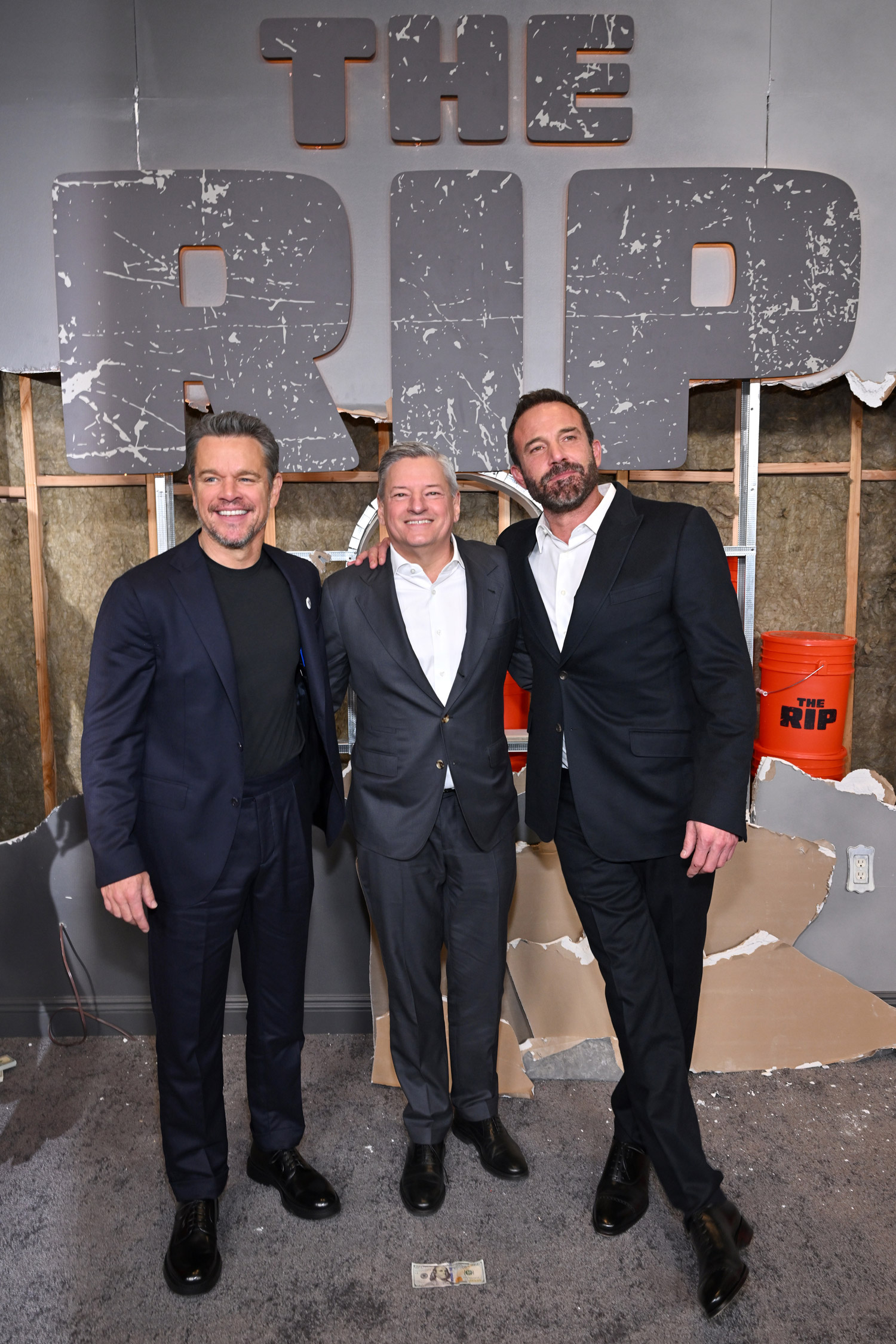
Et tu, Ben? No, one thing I’ll say for Ben is that he’s actually very well researched/educated on AI and its practical usage when it comes to film production. He hasn’t just written a check and attached his name, he’s done his homework. We saw this when Ben and Matt Damon appeared on Joe Rogan’s podcast (I know, I know) in January to promote The Rip (on Netflix!). In that interview, Ben very level-headedly cut through the hype and fears around AI, and basically emphasized what he says here, which is the ole “AI is a tool” argument. (Plus in that appearance he called Tilly Norwood “bullsh-t.”) And to be fair to Ben, he makes the most convincing case I’ve heard so far. But even if AI can be used as a non-generative postproduction tool, there are still problems. The first being that the work InterPositive’s AI is supposed to be streamlining is presumably putting humans out of work who used to perform that role. I also found this bit very telling: “AI, people mostly think of it as making something from nothing.” That’s just it, AI CAN’T make something from nothing; it makes things built on (largely) stolen material created by humans.
Lastly, I have to ask: why do all these AI companies mash words together for a single name? OpenAI, ChatGPT… And how on earth did Ben land on “InterPositive” — it sounds more like a medical status than a tech company.


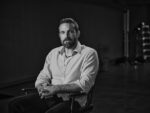


Photos credit: Getty Images for Netflix, Netflix Press and screenshots from Netflix Press Video





I don’t want to talk about AI. I’m here for the escapism, damnit. It’s such a daunting subject to me. On a positive note, Ben seems to be in a good place right now. Busy with work and not stumbling around with one enabler after another. I bet he regrets the back tattoo now.
I’m skeptical but have to be his net that I don’t known how this works exactly. But yeah does it cost jobs is a valid question and does it make someone who is hired have an easier job? Although, I did hear that it has to do with lighting? Just please don’t make things darker than it already is.
Edit-I’m skeptical but have to admit I don’t understand it all. But if it’s replacing jobs then it’s a no. If all it does is make a person who is hired have an easier job and be able to focus on more important work then sure. But I don’t know if that’s clear yet as to how it will work.
It sounds okay to me. It uses what the director puts together in dailies for tech people such as sound, editing and lighting to put their work in before the finished movie is put together. I guess. What struck me was he got involved with this in 2022 when he was busy getting engaged, married twice, doing cameos for jlos film this is me now, directing Air, and his production company was brand new. Plus the two honeymoons. A lot.
I don’t hate it (and I hate a lot of things about AI). That said, I hope they are not replacing a job with it. For example, if they usually have an editor that just focuses on dailies, can they hire an editor to do something else. Or simply hire a human to do SOMETHING that otherwise would not be possible if they didn’t have AI finessing the dailies.
It sounds to me like what it does is “color correcting.”
Color correcting is standard procedure – you take edited footage that was originally shot from different cameras, film stock, angles, times of day, and maybe even different days, etc and you create a seamless tone for the scene(s).
Yes – it’s a profession. People will lose their jobs.
I’m not surprised with vertical and short drama apps for the first time gaining more growth than Netflix. With vertical dramas/productions causing less to produce than Netflix, They need to pivot how they can lower costs, esp now that more people are now downloading vertical apps than Netflix as of last year(a whopping 72% Americans now are interested in verticals).