
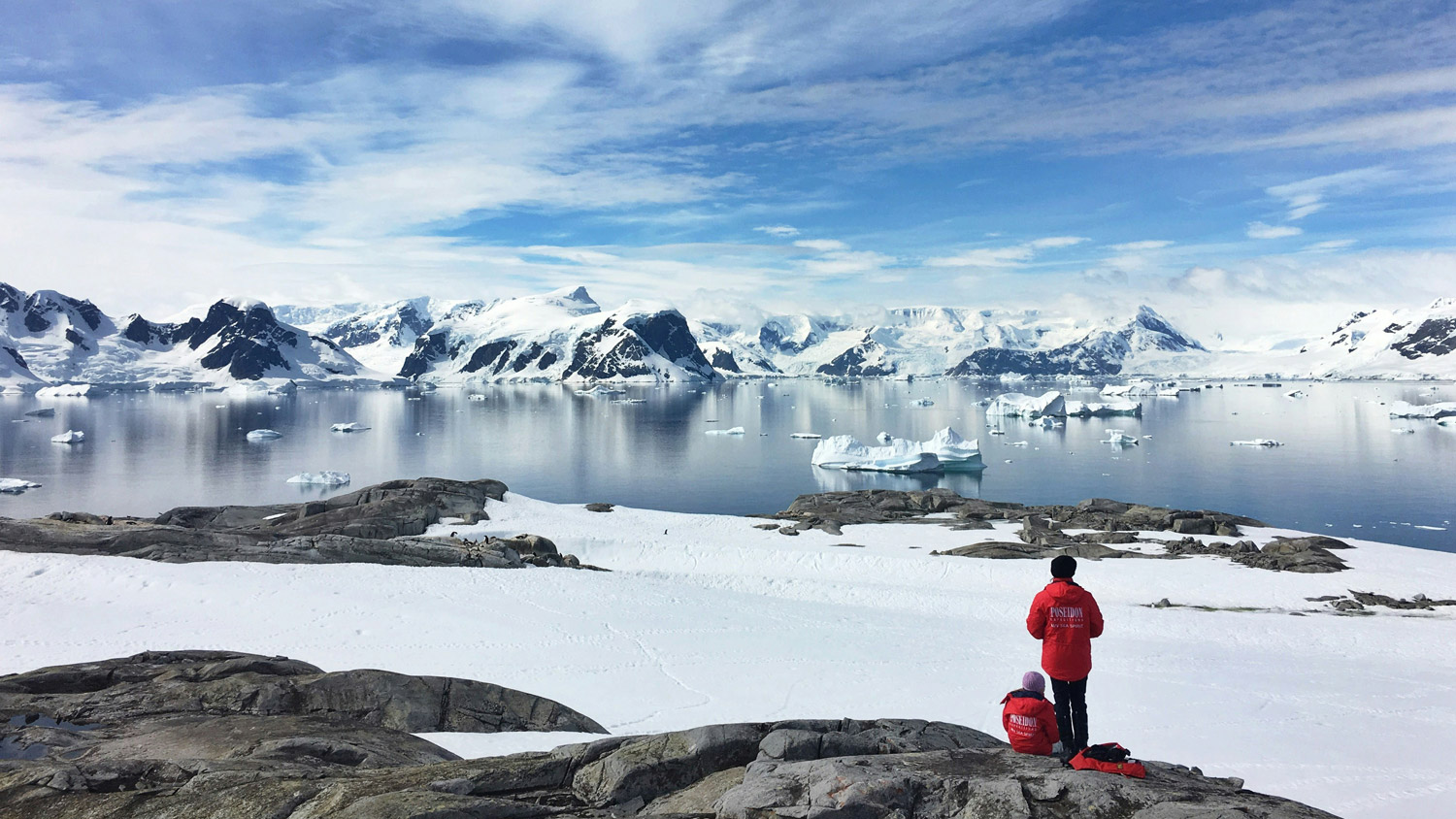
And for today’s installment of “Hey, what’s going on in Antarctica?” I present to you the major discovery of a vast structure of basins hidden underneath the East side of the continent. Obviously we already knew about the smaller Wilkes and Aurora and Lake Vostok basins (and absolutely did not have to look up those names or the fact that Vostok is Earth’s largest subglacial lake). Turns out this new network — conveniently called the East Antarctic Fan-Shaped Basin Province, or EAFBP for short — contains the aforementioned basins, plus more. And as noted in the snappy name, when taken as a whole, the basins form the shape of a fan (think handheld, not Honeywell). The working theory for the fan-shape is that it’s the result of rotational extension, what happens when the Earth’s crust stretches out from a central point. So, in the family of plate tectonics. EAFBP is already being flagged as one of the largest examples found of rotational extension, and may also be one of the oldest; scientists think EAFBP was formed as Gondwana moved around — the supercontinent that both predated and was part of Pangea! SCIENCE!!
Buried way underneath Antarctica’s ice, researchers have found an enormous, continent-sized network of basins we never knew were there until now.
According to a recent study published in Nature Geoscience, an international team led by geophysicist Egidio Armadillo of the University of Genoa has identified what they call the East Antarctic Fan-Shaped Basin Province, or EAFBP. We’ve already known about other Antarctic basins, like the Wilkes and Aurora basins, and also the enormous Lake Vostok, but what we didn’t know is that they are all connected to a larger subterranean megastructure of basins that we couldn’t have discovered without the help of modern tech.
Researchers took older massive datasets collected over the decades with a variety of equipment, like seismic readings, subglacial topography, and radar surveys, and combined them all with models of how the land would rebound if the 27 million cubic kilometers of ice covering the continent were suddenly removed. That reconstruction revealed a massive pattern of basins radiating outward from a central point near the South Pole.
The researchers compared it to a handheld fan, with the central point being the pivot from which the rest of the basins emanate. All those basins spread outward along roughly 2,000 kilometers of coastline, which suggests to scientists that they formed through a process called rotational extension, where the Earth’s crust stretches and rotates around a central focal point.
Since the basins are beneath about half of the East Antarctic ice sheet, nestled about two miles below, researchers think they might play a big role in determining how ice flows across the continent, since ice moves not independently, but according to the grooves of the bedrock below it. This is especially important to know, considering that climate change is going to radically alter Antarctica’s ice. It’s good to get a baseline understanding of how it moves in the first place so we can better predict how it’s going to move when the disaster of climate change truly sets in.
Earth is just full of surprises! To bring this highly academic finding down to my dumb, cake-obsessed level, a story from my high school science class: I had an ingenious teacher who tackled a lecture on plate tectonics by baking a sheet cake filled with all kinds of dyes and different shaped sprinkles inside and multi-colored frosting on top. She then cut the cake and wrapped each slice in clear saran wrap, and our task was to put the cake back together again by tracking the features. Then we got to eat the Earth cake. I should’ve gone into cake-eating science, sigh…
Anyway, kudos to Vice for capturing the geekful excitement of this discovery, while also delivering a crash landing at the end: “It’s good to get a baseline understanding of how it moves in the first place so we can better predict how it’s going to move when the disaster of climate change truly sets in.” It came out in 2023, but I only just watched the Netflix series Life On Our Planet. As advertised, the show goes back to the beginning of life on Earth, and I took away three broad ideas: 1) Earth has undergone massive changes in her time, 2) No species stays dominant forever, and 3) As John Oliver observed on Last Week Tonight recently, there are some creepy ass freaks in the depths of our oceans. Regarding the first point, Earth’s climate has gone through many episodes of significant climate change, sometimes quite unexpectedly (like an asteroid crashing into the planet). The difference this time is that Earth has never had a species so capable of intervening for the good. Instead, we’re failing to act, which only serves the bad. But I guess that’s where the second point comes in.
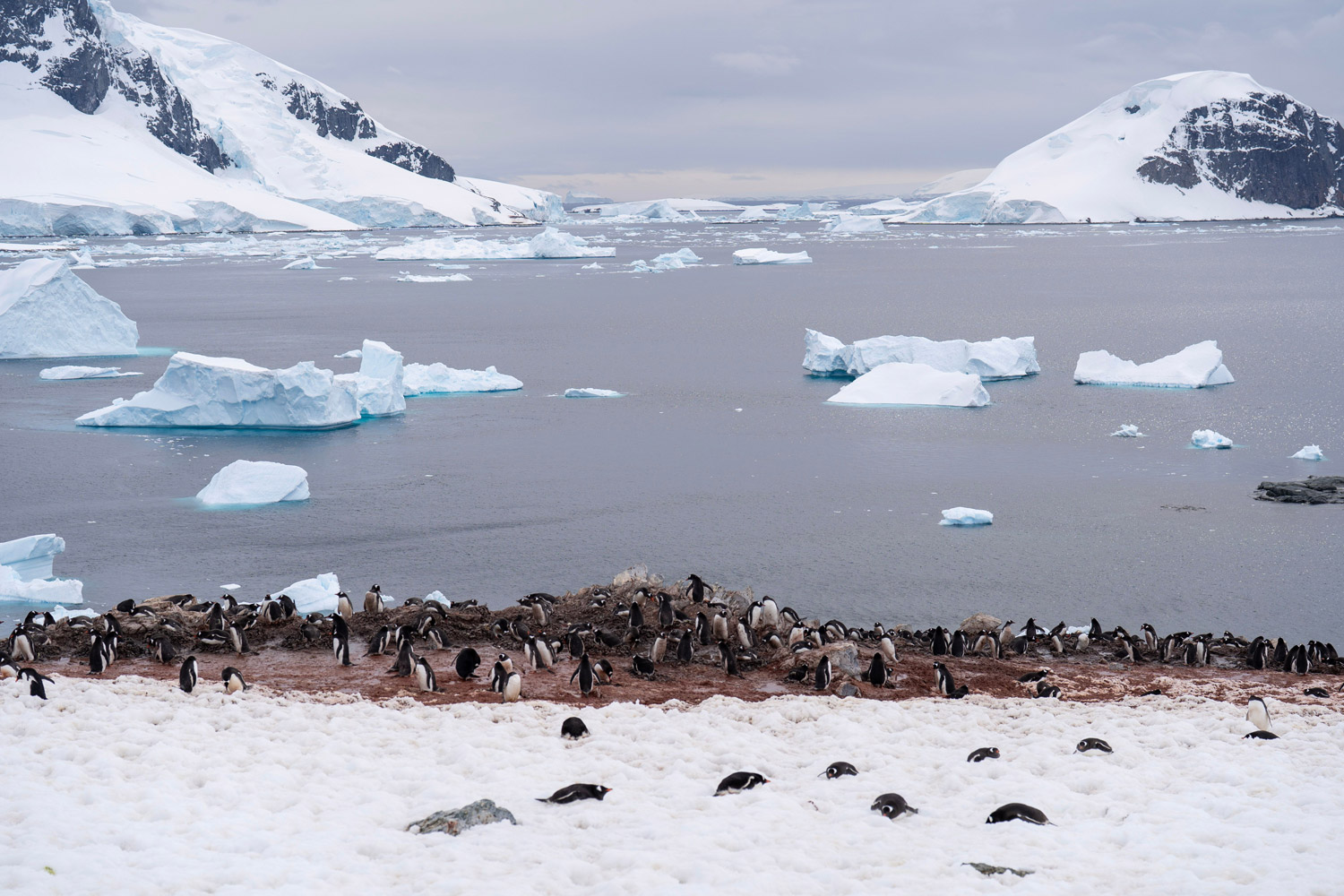
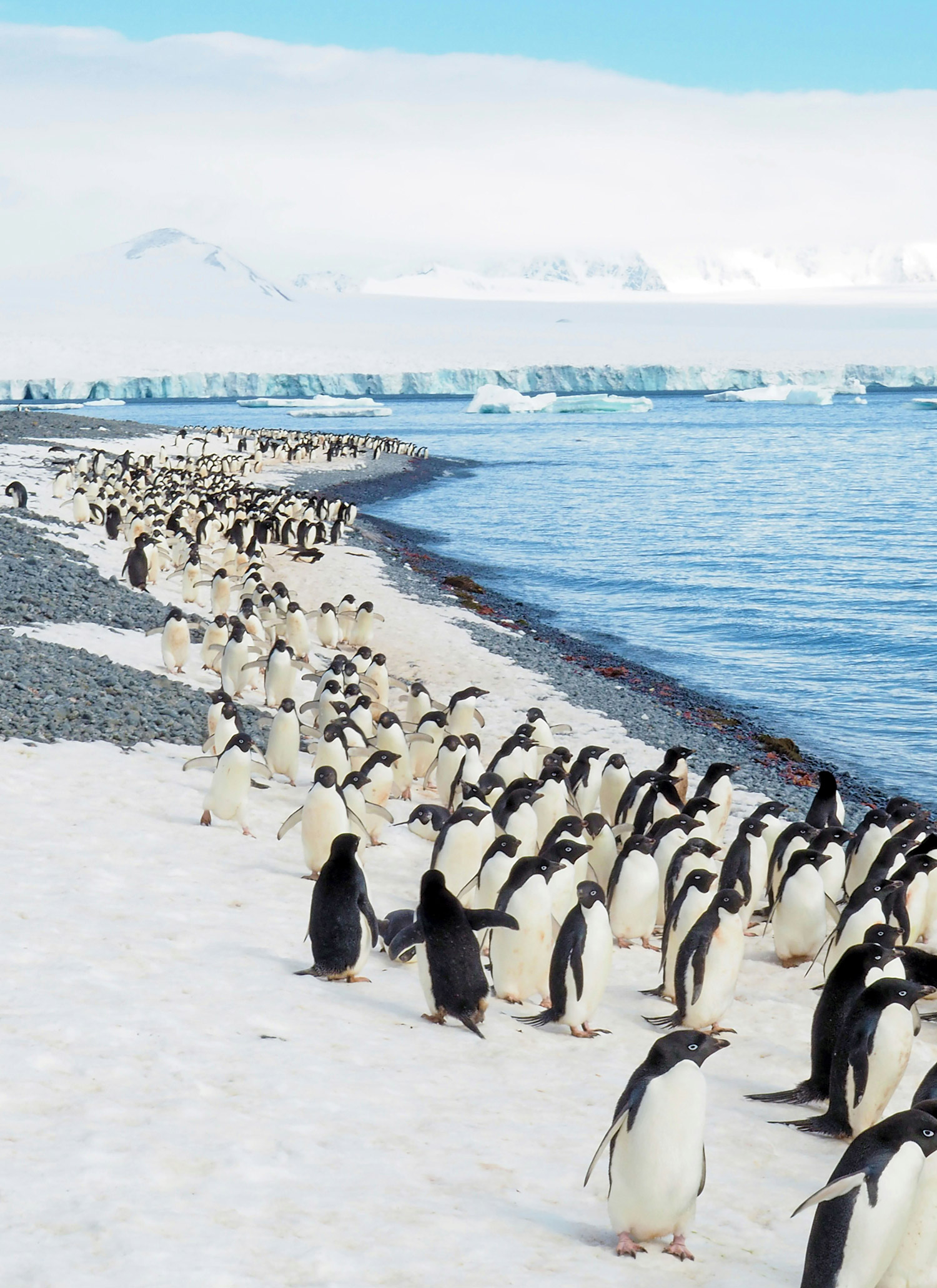
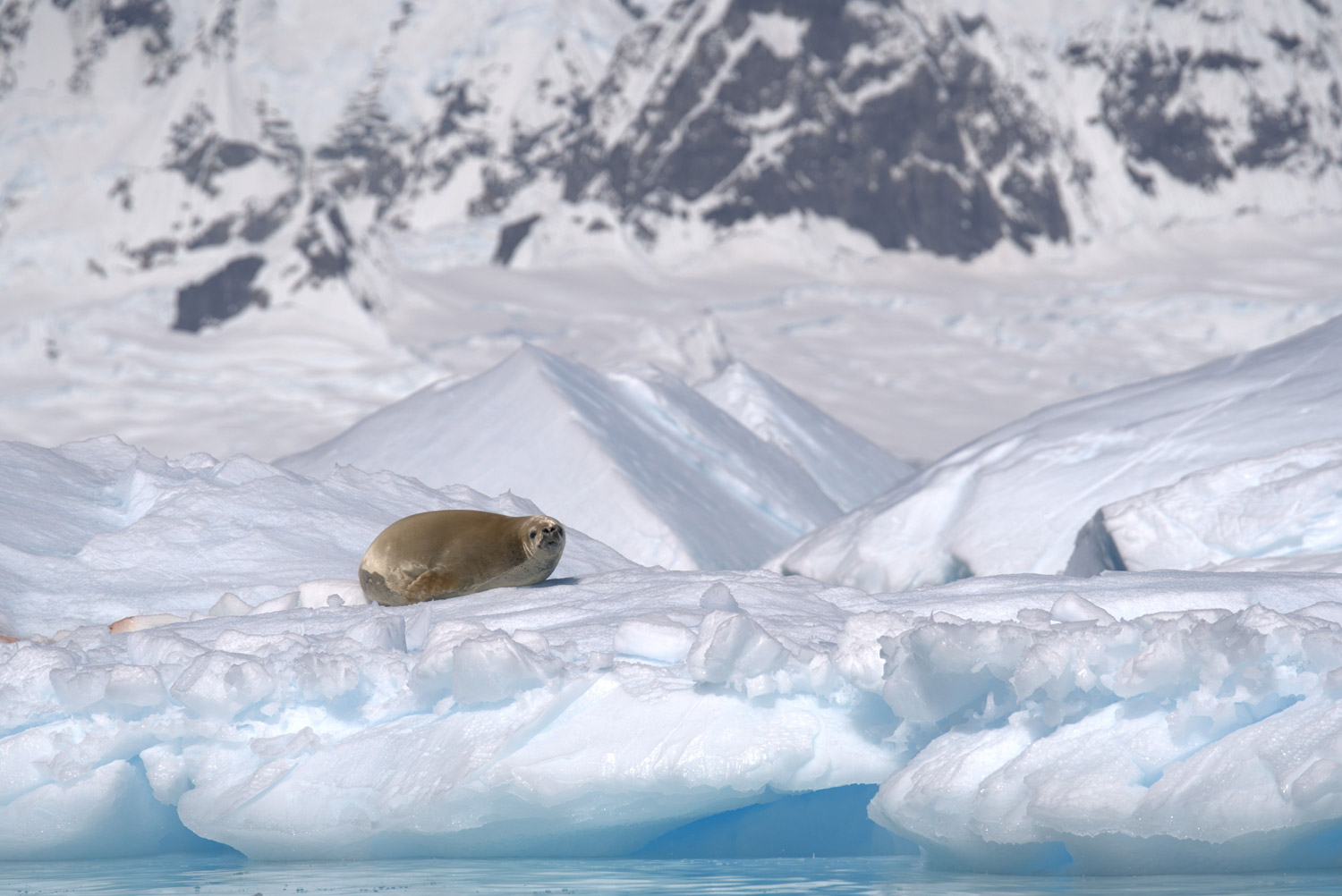
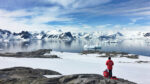
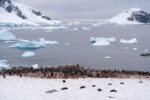
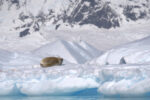
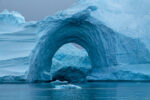
Photos credit: Cassie Matias, Tam Minton, Jen Tang and Jygen Dechavez on Pexels











Wow! So beautiful. Incredible.
Our Pale Blue Dot.
So vast, so enigmatic, so lovely & so fragile…
🎯
Fingers crossed for the scientists trying to find out more about the forces that shaped this giant subterranean fan to be successful in their race against time and the climate catastrophe.
It’s been much too warm in Antarctica these past few weeks.
https://www.euronews.com/2026/06/13/a-huge-anomaly-antarctica-records-winter-temperatures-20c-warmer-than-normal
Thanks for that extra dose of cake science, Kismet!
VERY cool. Thank you!
Not gossip, but yes-very cool literally! Thanks!
We just had a mini-heat wave in the Pacific Northwest. High 80’s Seattle, into the 90’s in Portland.
Climate change is real!!!
Mind over matter-I’m going to cut/paste those photos to my phone, and then I can mini-meditate on them to help beat the heat!!!
Great post, from the fascinating info to the science class cake. Thank you 🌺
Neat!!
In the area I live in our occasional earthquakes are from the earth still rebounding from glacial weight from the last ice age, so I can only imagine what would happen there if the ice melted!
Love this! Our planet is wonderous, beautiful and sacred. To be protected and cherished at all costs. I pray, pray, pray it’s not too late to reverse the damage from climate change. We need to do more for earth…elephants, pangolins, polar bears live here…
“Creepy ass freaks” are Epstein and his predator friends and allies, not life forms beneath the ocean. All those googly-eyed, slack-jawed, glow-y life forms are beautiful and pure.
It’s gratifying to know that, in the time of science denial and defunding, good science is still being done.