
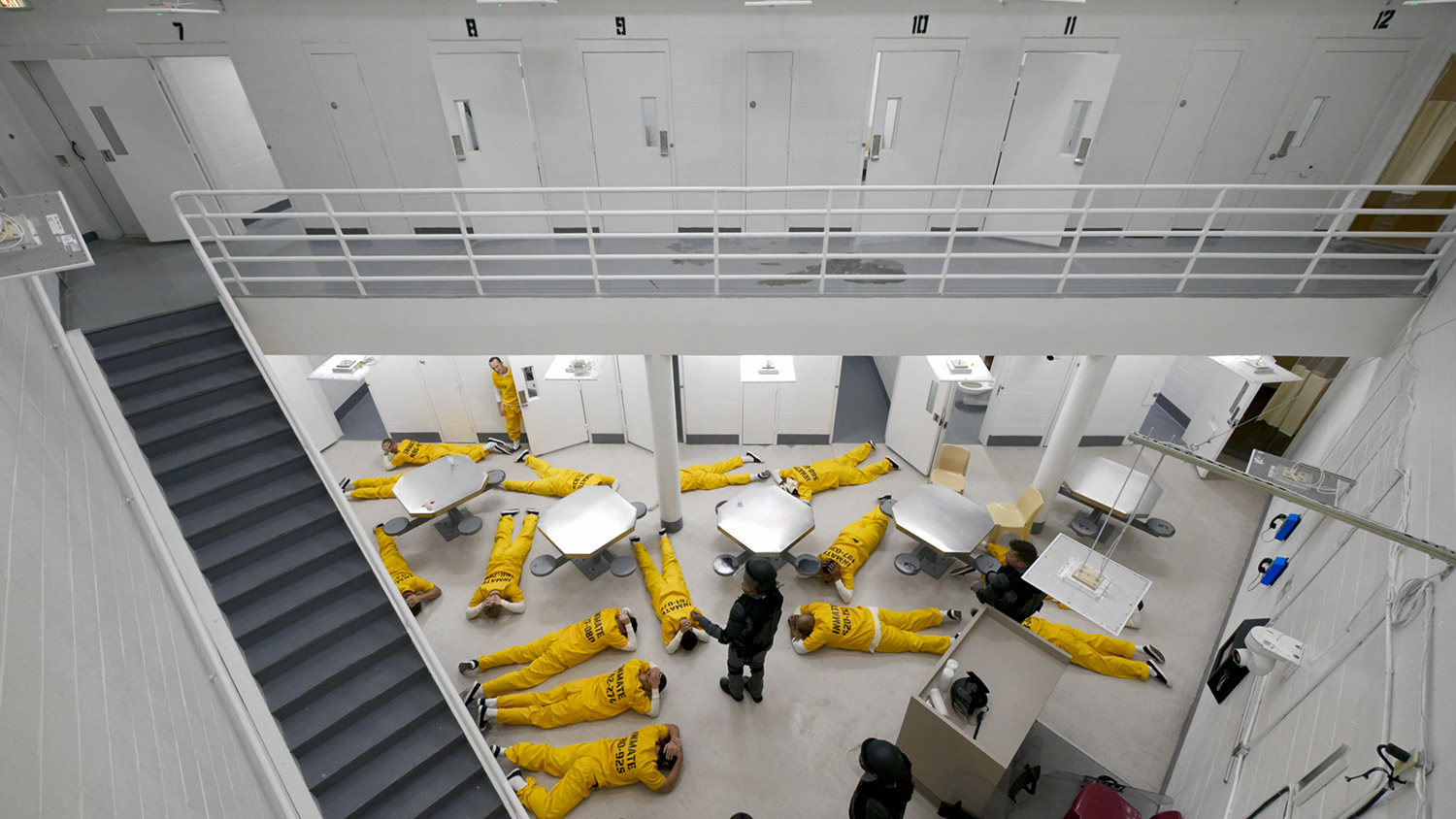
I heard an episode of the excellent podcast Hidden Brain which challenged my undergraduate education on the Stanford Prison Experiment. The Stanford Prison Experiment was run by professor Philip Zimbardo in 1971. Zimbardo separated 24 male college student participants into equal groups of “prisoners” and “prison guards” in a paid experiment. It was supposed to last two weeks but was shut down after six days. The “guards” mistreated the “prisoners,” who were confined to a mock jail, emotionally abusing them and depriving them of basic human rights. Zimbardo claimed that this was proof that people perform the roles assigned to them. The conditions, as set up by Zimbardo, were punitive and arguably rigged to give him the desired results. I learned on Hidden Brain that his findings have been widely criticized and are said to be due to demand characteristics, not natural behavior. The study was inherently flawed and helped spur the ethics and standards requirements for psychological research.
The setup sounds like a reality show, right? Where people do ridiculous things to fill roles assigned to them by authority figures. Netflix thought so, because they made it into one. This is the streamer that thought Squid Game, minus the murdering part, would make a great reality show. Here’s more from People.
PEOPLE has the exclusive first trailer for Netflix’s new unscripted series that recreates the infamous psychological study. The trailer teases just how far The New Stanford Prison Experiment participants will go when given power.
“Worst case scenario, my inner monster is stronger than I thought it was,” says one participant in the trailer.
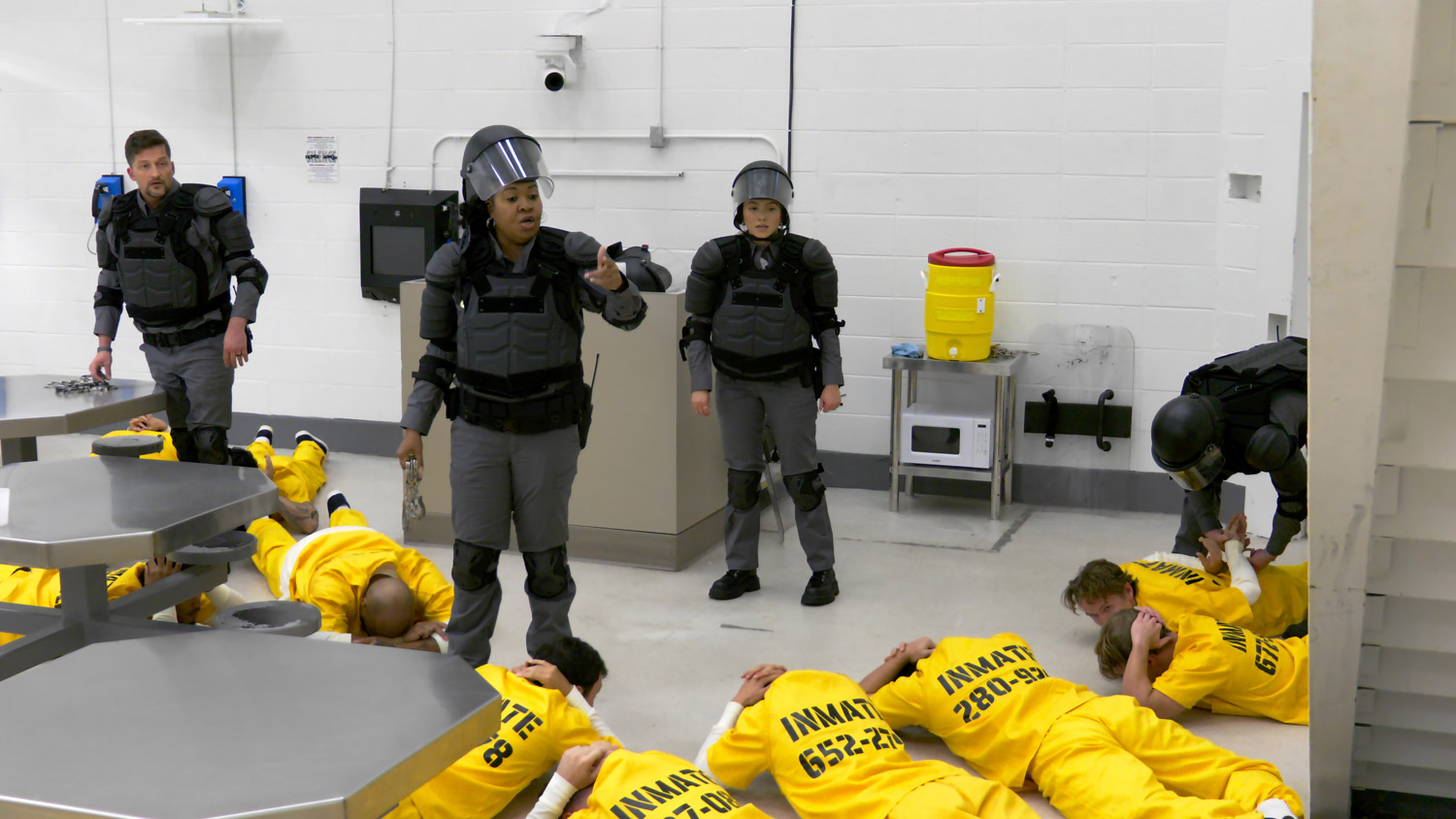
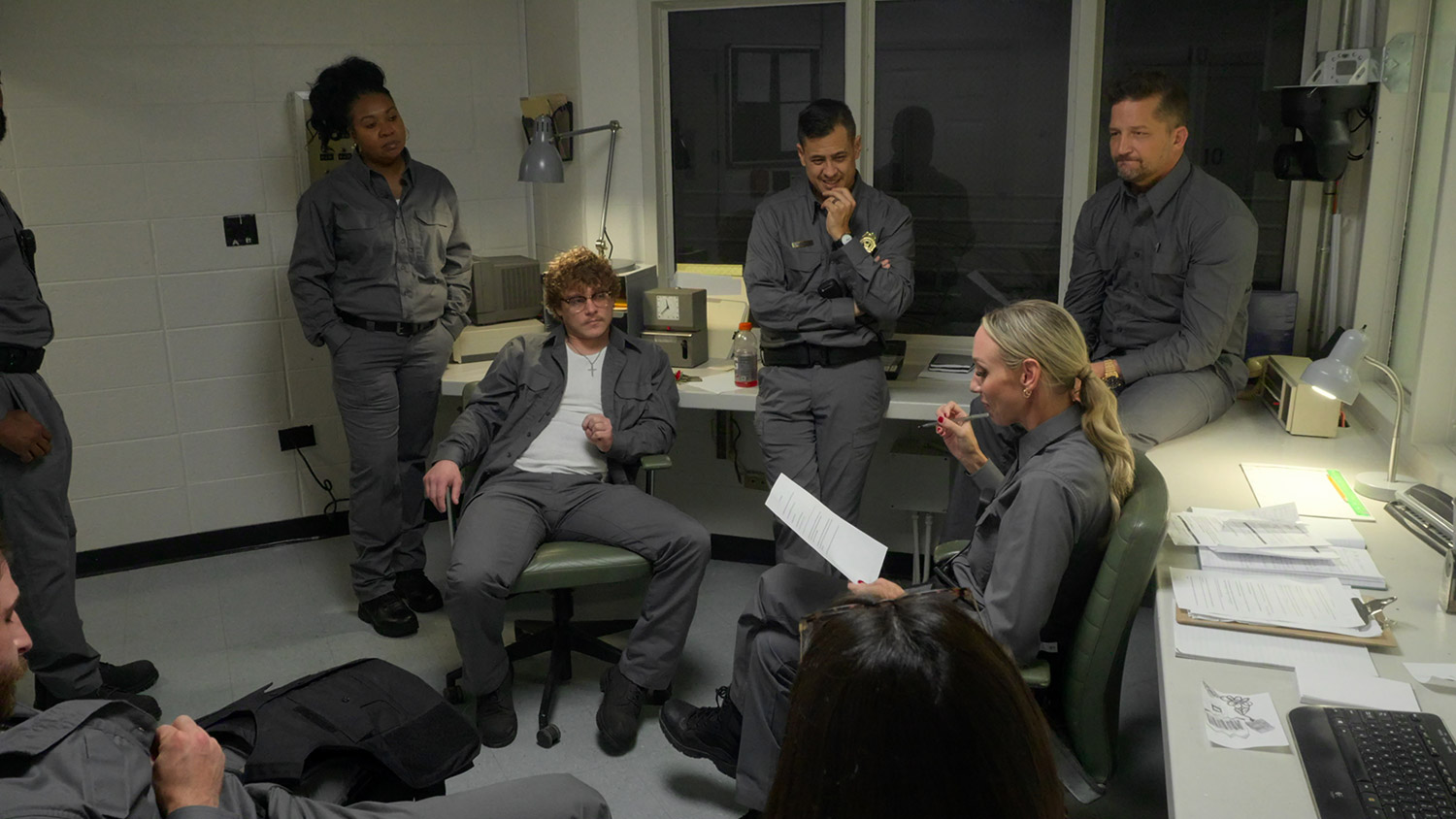
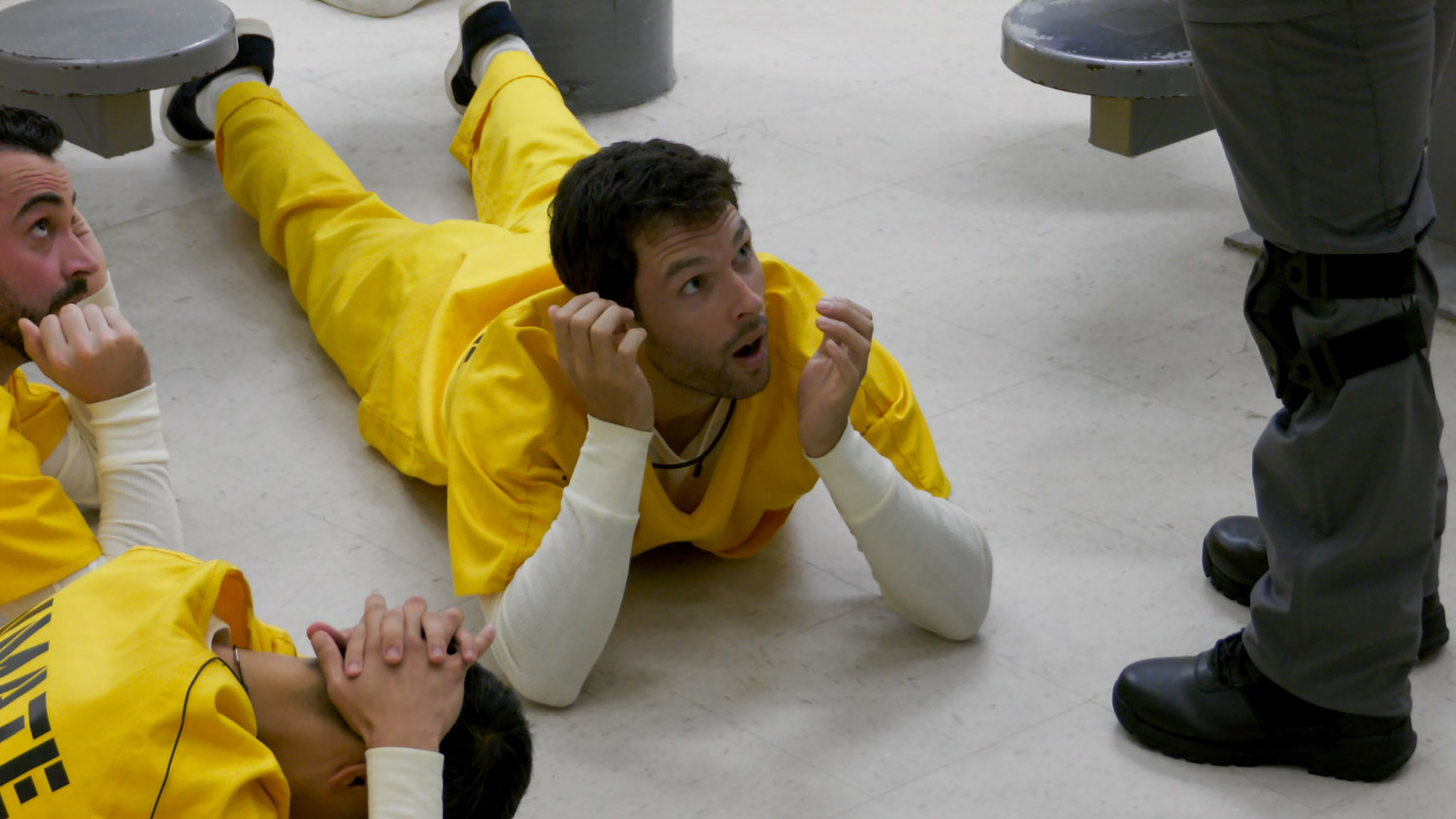
The first footage shows 30 participants transported to a real prison, where they’re divided into prisoners and guards. One participant describes the experiment as a “completely different world.” As the group goes further into the experiment, their actions will answer the question: “Does power corrupt?”
In the experiment, the lines between what’s real and what’s pretend blur. As one participant says, “They’re actually convinced they’re real prisoners,” another yells out in frustration, “This isn’t real life…”
The experiment selected 24 students and randomly assigned them as prisoners or guards. Initially expected to last one to two weeks, the experiment was terminated after six days due to the dehumanizing treatment prisoners faced from their fellow students.
“In this bold reimagining of one of history’s most controversial social experiments, 30 willing participants enter a real prison and are randomly assigned as guards or prisoners,” an official synopsis for The New Stanford Prison Experiment reads.
“Thrust into a system of power, hierarchy and control, they’ll discover whether ordinary people inevitably conform to the roles they’re given — or whether empathy, morality and individuality can withstand the forces pushing them in the opposite direction.”
It continues, “As the pressure builds and the balance of power begins to shift, the central question feels more urgent than ever: Does power corrupt?”
There are many recent documentaries about the punishing and now-shocking reality shows of the early 2000s, like The Swan, The Biggest Loser and America’s Next Top Model. Despite this newish focus on the dehumanization of reality shows, networks and streamers are still churning out garbage that’s just as cruel to participants. Sometimes they hide it behind a pretty facade, like on Love Is Blind, which has been sued multiple times for treating contestants cruelly. Too often the cruelty is the point, like on Hell’s Kitchen, the Fear Factor reboot or one of the longest-running reality shows, Survivor. Audiences love to see people suffer. What better way to serve that up than to just copy a misleading study that abused people? May as well cut to the chase.
I wrote all this before I looked at the comments on the Youtube trailer, below. My favorites are:
“So you all looked at one of the most famous highly unethical experiments from the previous century, an experiment where even the lead psychologist Zimbardo had the power go to his head and become sadistic in leading the prison guard faction, and said “Let’s recreate it for television!”?” @rulerofrandomnesd
“Given the events of the original experiment…. This seems both in poor taste and a really bad idea for netflix” @roughcutproductions8714
“I think netflix found out they can monetize torture instead of making good tv.” @bunz5000







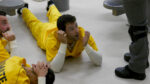
Photos courtesy of Netflix press








Yikes. In this era when wingnuts, bots and ai are destroying our society from top to bottom, we do not need this at all. This just looks so awful. Corporations are not people and have no incentive to police themselves. The content is getting worse and more destructive. I miss thinking dystopian sci-fi was fiction. This could be an episode of the Twilight Zone. The torture p#rn and cruelty of most reality shows always bothered me. Never liked ’em.
This feels indicative of just how demented the people who control the money in Hollywood are and how far the divide between them and regular media consumers is. Or the uber wealthy in general. Your Wrong About pod did a a great deep dive on it in one of their early eps. I really recommend it!
Garbage. I won’t be watching- in fact, seeing this is making me think about ditching netflix, because it has less content thatI enjoy now than in the past.
It’s kinda timely though. My whole life I’ve heard people say “never again.” And claim they’d never be the ones following unethical orders or staying silent in the face of oppression. Right now we’re facing events that in 40 years everyone will claim they were against at the time. So let’s get this up in your face. When it comes down to it, everyone will follow orders they know are wrong. We all suck and this experiment proves it.
Reality shows never would have become so popular or lasted so long if this wasn’t what millions of people actually want. And never forget it was a very popular reality show called The Apprentice which brought us our current hellscape because people thought that guy barking, “You’re fired!” would make a really great president. We only have ourselves to blame.
There’s no way this is an actuall experiment and not scripted. Netflix might be greedy, but there’s no way a lawyer would sign off on this.
The informed consent alone would be ethically dubious, not to mention legally dubious. Even if it stated, “this is an experiment that has been proven to replicate torture. Because of this, any participant can pull out at any time without penalty or fear of retaliation,” they still would be opening themselves up to a huge lawsuit. It would be a class action waiting to happen.
Any lawyer worth their degree would be dropping at the mouth just do Netflix on behalf of all of the participants. We know the psychological effects of torture can make it difficult to remove yourself from a dangerous situation, even if it’s actively harming you. On average, it takes someone an average of eight tries to leave an abusive relationship, and those people aren’t contractually bound. Every participant, staff member, and person who witnessed any of this, if it was live, could sue, and it would be very hard for Netflix to claim that informed consent was valid. There’s years of psychological research that proves otherwise, not to mention legal precedent.
The only way this could even be made would be for it to be scripted and marketed as “reality.”
@Anastasia: excellent point. All reality shows are scripted or, at the very least, manipulated to obtain an outcome. I’m constantly amazed that people think that what they’re watching is all spontaneous and genuine.