
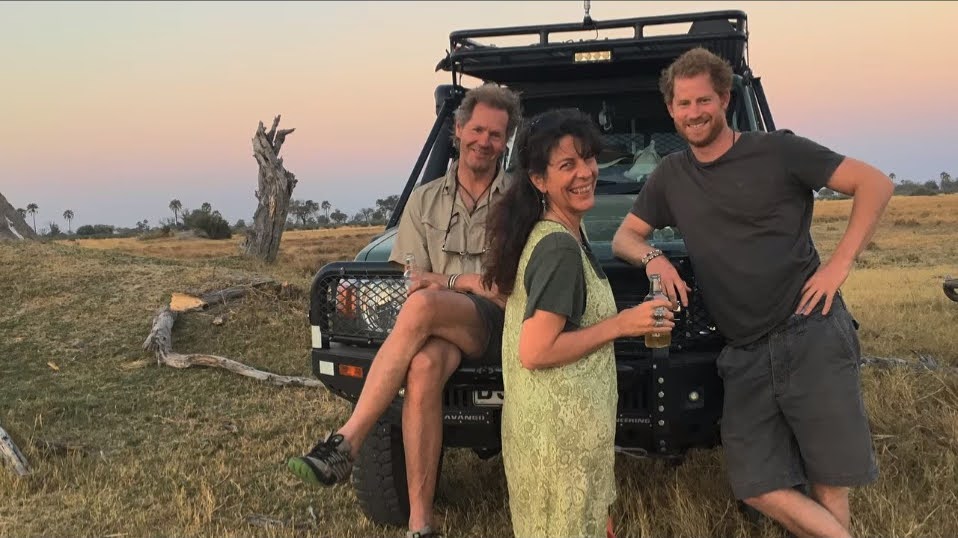
I really love it when Prince Harry and Duchess Meghan get involved in unexpected projects. Unlike the Other Brother and his wife, I get the sense that Harry and Meghan have so many hobbies, interests and passions. This is a massive sidenote, but as I watched the Ken Burns’ The American Revolution docuseries, I got randomly mad that Meghan and Harry weren’t asked to do some voice work on the series. There was a need for British voices with knowledge of the British military too – Harry would have been a natural. Back on topic: Harry has written the foreword for a National Geographic-produced book about the Okavango Delta. Harry has written about this environmentally vital ecosystem before and he’s been an advocate for Africa’s flora and fauna for decades.
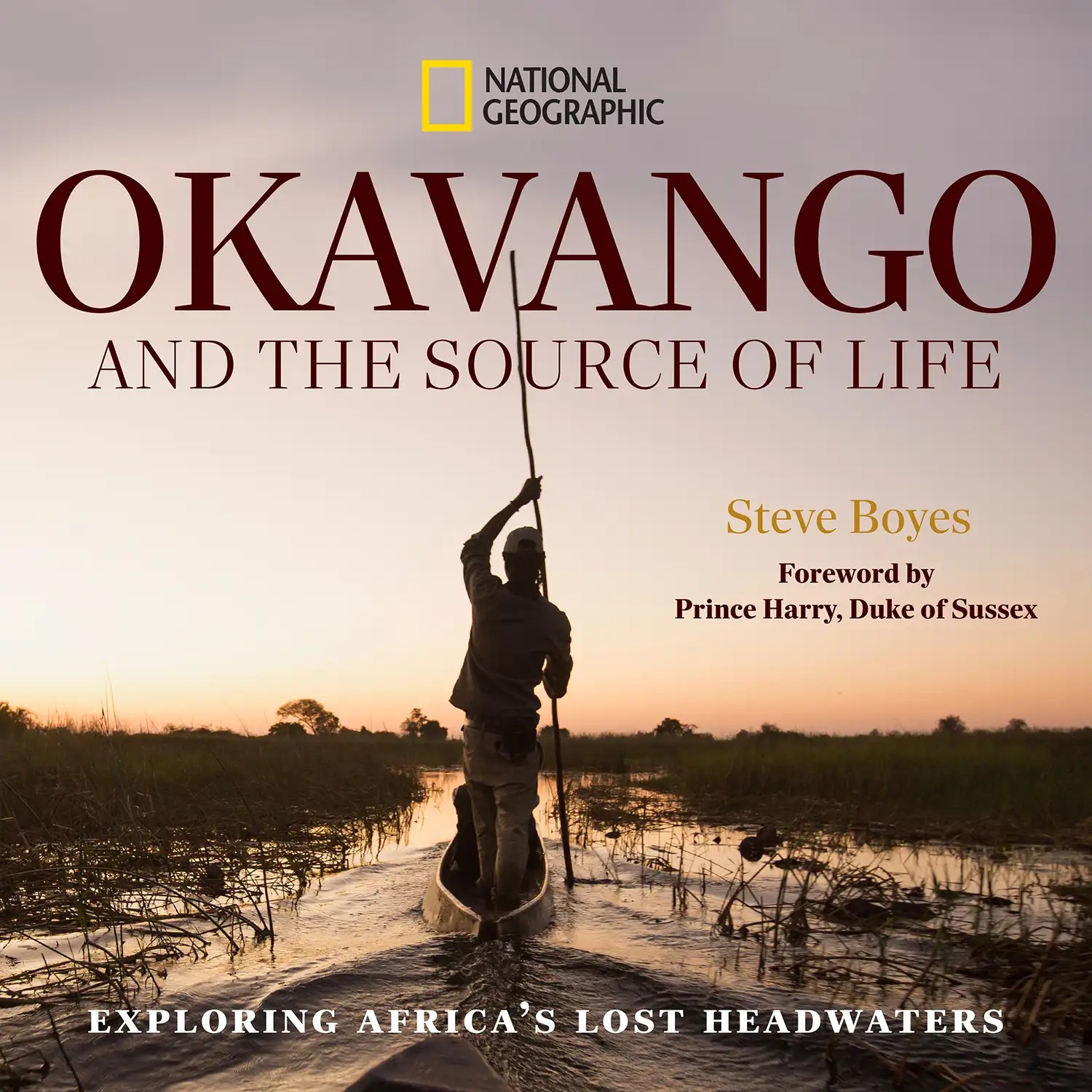
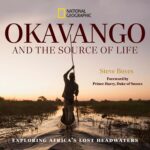
Prince Harry is speaking out in support of a region he considers his second home. The Duke of Sussex, 41, penned the foreword to the new book Okavango and the Source of Life by Steve Boyes, out March 3 from National Geographic. Featuring more than 100 photos and detailed maps, the book follows the National Geographic explorer on expeditions to the source of Africa’s famed Okavango Delta, a sanctuary of biodiversity.
The project highlights the work of the National Geographic Okavango Wilderness Project, which aims to protect an ecosystem that supports the planet’s largest elephant population, as well as lions, cheetahs and hundreds of bird species.
An excerpt from Harry’s foreword:
There are some places on Earth that are so vast, beautiful and alive, they truly open your eyes and mind. The Okavango Delta is one of those places, an enigmatic wetland that disappears into the Kalahari Desert and is home to the world’s largest remaining elephant population — a wilderness beyond comparison. This paradise has been my second home for more than 25 years, a place to escape and be enveloped by nature’s sheer magnificence.
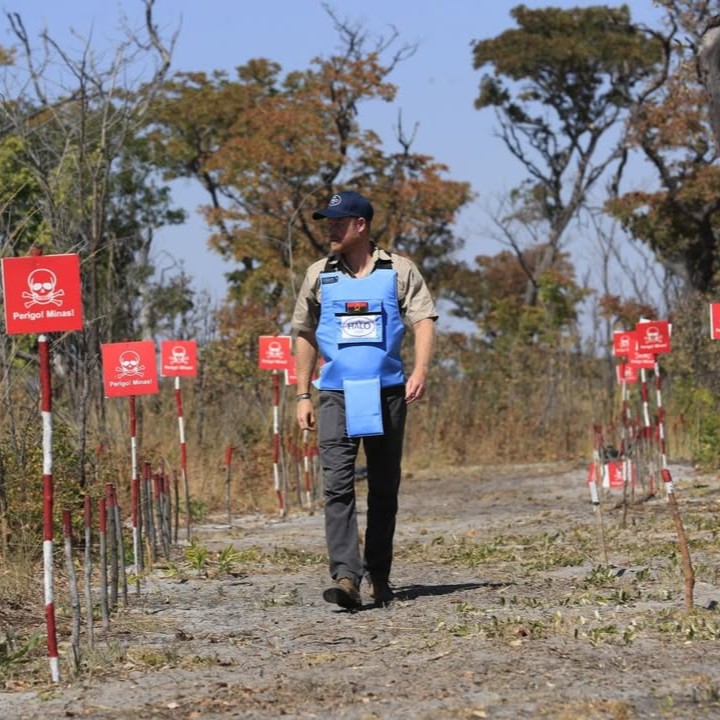
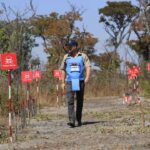
Back in 1997, in Huambo, Angola, just a few miles from one of the sources of the Okavango, my mother walked through a live minefield being cleared by the HALO Trust, a humanitarian land mine clearance charity. That famous walk was a turning point in the fight against these lethal devices. By 1999, the use, production and transport of antipersonnel land mines had been banned globally. Today, there are more than 80,000 amputees in Angola, a tragic legacy of 27 years of the Angolan Civil War, which ended in 2002.
When I first visited the Okavango Delta, shortly after my mother’s death, the war was still raging around the Okavango’s headwaters. Africa’s largest tank battle since World War II was fought over a bridge at the confluence of the Cuito and Cuanavale Rivers, the Okavango’s two major tributaries in the eastern Angolan Highlands. This battle left behind one of the world’s largest minefields, effectively preventing all safe access.
Nearly 20 years later, in 2015, I heard about a National Geographic expedition supported by the HALO Trust that had found a way through the land mines to the undocumented source of the Cuito River. I was intrigued. There the expedition team found a crystal clear, acidic source lake sustained by vast, previously undocumented peatlands. The intact miombo woodlands surrounding the lake, seemingly endless, were bigger than the whole of England.
This book is the story of the expeditions and discoveries that followed. Over the coming years, a team of 57 scientists and local guides explored all the major rivers and tributaries of the Okavango Delta, traversing this vast landscape in dugout canoes, on motorbikes, on foot, and in armored vehicles. They discovered hundreds of new species and documented 29 source lakes in what the local Luchazi people call Lisima lya Mwono — the Source of Life, where the floodwaters of the Okavango Delta come from.
As wildfires rage and hurricanes tear apart entire peninsulas, we’re faced with a harsh reality: a climate crisis and a mass extinction that can no longer be ignored. Appreciating, preserving and protecting these last wild ecosystems is essential to our collective survival. The best way for us to understand where we came from, and where we need to get to, is by visiting places like the Okavango Delta — my source of life.
One of the recurring themes in Prince Harry’s Spare was his spiritual connections to land, to animals, to things that grow and breathe and nurture. Just reading his words about tributaries and lakes and peatlands brought me back to his nearly religious devotion to this part of the world and his respect for the Okavango Delta. I love that he was asked to do this and that he writes about his connection to Angola, to the delta, to his decades of work within Africa. This is so cool.
Photos courtesy of Avalon Red, Netflix, The Halo Trust Instagram, and National Geographic.
-
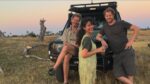
- Undated picture released by Kensington Palace of Prince Harry while he worked in Malawi with African Parks as part of an initiative involvoing moving 500 elephants over 350 kilometers across Malawi from Liwonde National Park and Majete Wildlife Reserve to Nkhotakota Wildlife Reserve. Prince Harry says of the picture: “Marking one of the young males so that he is easily identifiable when the family group is released back into the bush and we can keep them together.The spraypaint disappears after a few days.”,Image: 504080096, License: Rights-managed, Restrictions: NO UK USE FOR 48 HOURS – Fee Payable Upon Reproduction – For queries contact Photoshot – sales@photoshot.com London: +44 (0) 20 7421 6000 Los Angeles: +1 (310) 822 0419 Berlin: +49 (0) 30 76 212 251, *** NO UK USE FOR 48 HRS ***, Model Release: no, Credit line: – / Avalon
-
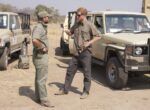
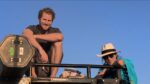
- Undated picture released by Kensington Palace of Prince Harry (right), while he worked in Malawi with African Parks as part of an initiative involving moving 500 elephants over 350 kilometers across Malawi from Liwonde National Park and Majete Wildlife Reserve to Nkhotakota Wildlife Reserve. Prince Harry says of the picture: “Lawrence Munro and I met in South Africa last year and have been in contact since. We got him to give a fantastic brief to the Ranger students at Kruger on their graduation. He is now working with African Parks as their operations manager in Liwonde. He’s one of the best.”,Image: 504080225, License: Rights-managed, Restrictions: NO UK USE FOR 48 HOURS – Fee Payable Upon Reproduction – For queries contact Photoshot – sales@photoshot.com London: +44 (0) 20 7421 6000 Los Angeles: +1 (310) 822 0419 Berlin: +49 (0) 30 76 212 251, *** NO UK USE FOR 48 HRS ***, Model Release: no, Credit line: – / Avalon
-
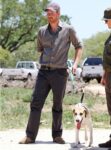
- 145597, Prince Harry seen at the South African Wildlife College in the Kruger National Park on day five of his tour of Lesotho and South Africa. Kruger National Park, South Africa – Wednesday, December 02, 2015. UK, FRANCE, AUS, NZ, CHINA, HONG KONG, TAIWAN, SPAIN & ITALY OUT Photograph: © i-Images, PacificCoastNews. Los Angeles Office: +1 310.822.0419 sales@pacificcoastnews.com FEE MUST BE AGREED PRIOR TO USAGE,Image: 532076891, License: Rights-managed, Restrictions: WORLD RIGHTS, DIRECT SALES ONLY UNLESS STATED OTHERWISE IN CAPTION – Fee Payable Upon Reproduction – For queries contact Avalon.red – sales@avalon.red London: +44 (0) 20 7421 6000 Los Angeles: +1 (310) 822 0419 Berlin: +49 (0) 30 76 212 251 Madrid: +34 91 533 4289, Model Release: no, Credit line: i-Images, PacificCoastNews / Avalon
-
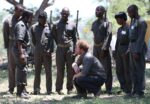
- 145602, Prince Harry seen at the South African Wildlife College in the Kruger National Park on day five of his tour of Lesotho and South Africa. South Africa – Wednesday December 2, 2015. South Africa. UK, FRANCE, AUS, NZ, CHINA, HONG KONG, TAIWAN, SPAIN & ITALY OUT Photograph: © i-Images, PacificCoastNews. Los Angeles Office: +1 310.822.0419 sales@pacificcoastnews.com FEE MUST BE AGREED PRIOR TO USAGE,Image: 532077431, License: Rights-managed, Restrictions: WORLD RIGHTS, DIRECT SALES ONLY UNLESS STATED OTHERWISE IN CAPTION – Fee Payable Upon Reproduction – For queries contact Avalon.red – sales@avalon.red London: +44 (0) 20 7421 6000 Los Angeles: +1 (310) 822 0419 Berlin: +49 (0) 30 76 212 251 Madrid: +34 91 533 4289, Model Release: no, Credit line: i-Images, PacificCoastNews / Avalon
-
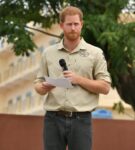
- The Duke of Sussex delivers a speech in front of the Diana Tree in Huambo, Angola, on day five of the royal tour of Africa. The Duke is visiting the minefield where his late mother, the Princess of Wales, was photographed in 1997, which is now a busy street with schools, shops and houses.,Image: 538259128, License: Rights-managed, Restrictions: NO UK USE FOR SEVEN DAYS – Fee Payable Upon Reproduction – For queries contact Avalon.red – sales@avalon.red London: +44 (0) 20 7421 6000 Los Angeles: +1 (310) 822 0419 Berlin: +49 (0) 30 76 212 251, Model Release: no, Credit line: – / Avalon







Prince Harry is deeply devoted to preserving this part of our world and I am incredibly proud of his insistence in recognizing the need to remind us all of its existence and the need for its survival.
Such elequence. Such passion. Such love.
And THIS is the Prince they call “thick”.
Could you even imagine Willy No Work feeling or writing anything so beautiful??
The British press told us that Harry does nothing except stay at home with the children. I’m very doubtful that Harry would have been allowed to do this if he was still a working royal.
Bulliam “Africa is mine, Harold” would have insisted on doing it himself. Without the references to Diana or climate change.
Wow he is so in tune with this part of the world his second home. What a beautifully written foreword and he included his mother and her work there too. When Harry speaks or puts down his written words he does it with his whole heart and means every word.
This is awesome! Harry just keeps on proving every day why he is the global statesman that he is. He gives a flying fig about the environment, unlike TOB who just does performative look at me lip service.
Keep on trucking good King Harry!
The only thing I don’t like about this, is the invitation for people to visit the areas. It won’t be the same once people start trampling through it.
Just preordered this book from Amazon.
Great foreword. His words built pictures in my mind. Makes me want to read the book and visit this ‘source of life’
Harry is good at painting a picture with his words. Spare was a very good book for me because it really placed me in his mind to follow the narrative with him. Reading Harry’s forward for this book, I felt like I was there as I marveled at the beauty of a sizable sanctuary in the universe uninhabited by humans and thought about existentialism. What if humans were not destructive? What if there were no wars? What if people were not greedy? Will I be able to just enjoy the marvelous world we live in and not have it be destroyed piece by piece by people in pursuit of power over others (people who have a superiority complex)? Colonialism has been cruel to humanity and the environment. Colonialism is destructive. Colonialism is evil. 😔
Very cool. Good for Harry and what a gorgeous cover.
This is so great! Congratulations Harry
I’ve been to the Okavango Delta several times. To me, it is the most amazing place on earth.
This is a very good foreword. I like how clearly he ties his mother’s work to this book – that’s something that never occurred to me, how the landmines could have affected access to the region.
i would love for Harry to narrate a documentary on the Okavango.
OKG! This would be beyond AMAZING!!
It’s so thoughtful and on top of that, really good PR for the book. It makes me want to buy the book, whether Harry was attached or not.
Harry is really sprinting into 2026, so many projects ❤️ I would love to red this, going to order on Amazon. The cover photo is great ❤️
Pre-ordered the book on Chapters (Canadian bookstore). Looking forward to reading about and looking at the wonderful photos. Did Prince Harry not write an editorial recently against some kind of development by a Canadian oil company in the delta? Also, I think Meghan narrated a documentary about the elephants of the Okavango for Disney. It was excellent. Archie and Lili would be old enough now to appreciate it.
This book is available for preorder from Thriftbooks.com for $36.39 (US).
He’s a real one, for sure.
As part of the same wilderness project, Steve Boyes also searched for “ghost elephants”, those elephants who didn’t move out of the Angola area but learned to adapt to survive conditions during the civil war. A documentary acquired by Nat Geo was premiered last year and will be on Disney+/Hulu.
https://en.wikipedia.org/wiki/Ghost_Elephants
This article from 2022 talks in more detail about the search for what became of these elephants, and whether it might be possible for some to migrate back to the area, with some fascinating information about elephant behavior, combined with unsettling comments on what they likely experienced in the midst of a war zone.
https://www.africanelephantjournal.com/the-ghost-elephants-haunting-angola/