

Springtime is officially upon us. The days are getting longer, the weather is getting warmer and the trees and flowers are starting to bloom. Here in North Carolina, we had one really fantastic week of spring weather before that other inevitable spring occurrence began. When I woke up on Monday morning and saw my car covered in yellow dust, it was official: “The Pollening” had begun. Within a week, we’ll be driving through yellow dust clouds on the highway.
The pollen also means that it’s allergy season, y’all. According to experts at the Asthma and Allergy Foundation of America, climate change is causing the season to start earlier and pollen to stay longer in the air. Their data, which is also backed up by individual state data, also says that last year was one of the worst allergy seasons on record. To help people prepare for another potentially brutal spring, NBC has a helpful guide on how to protect yourself during allergy season and high pollen counts.
New cities top the list of ‘allergy capitals’ The Asthma and Allergy Foundation of America issues an annual ranking of the most challenging cities to live in if you have allergies, based on over-the-counter medicine use, pollen counts and the number of available allergy specialists. This year, the top five cities are: Boise, Idaho; San Diego; Tulsa, Oklahoma; Provo, Utah; and Rochester, New York.
Try to avoid pollen altogether: The best and first step to controlling allergies is avoiding exposure. Keep the windows in your car and your home closed, even when it’s nice outside. If you go outside, wearing long sleeves can keep pollen off your skin to help ward off allergic reactions, said Dr. James Baker, an allergist at the University of Michigan. It also provides some sun protection, he added.
What to do if you can’t avoid pollen: When you get home, change your clothes and shower daily to ensure all the pollen is off of you — including your hair. If you can’t wash your hair every day, try covering it when you go outside with a hat or scarf. Don’t get in the bed with your outside clothes on, because the pollen will follow. It’s also useful to rinse your eyes and nose with saline to remove any pollen, experts said. And the same masks that got us through the pandemic can protect you from allergies — though they won’t help with eye symptoms.
How to relieve allergy symptoms: Over-the-counter nasal sprays are among the most effective treatments for seasonal allergies, experts said. But patients often use them incorrectly, irritating parts of the nose, said Dr. Kathleen May, an allergist at Augusta University in Georgia. She suggested angling the nozzle outward toward your ear rather than sticking it straight up your nose. Over-the-counter allergy pills like Claritin, Allegra and Zyrtec are helpful, but may not be as effective as quickly since they’re taken by mouth, experts said.
What to do for severe allergies: If your allergy symptoms are impacting your quality of life, like causing you to lose sleep or lose focus at work or school, it might be time to consider making an appointment with an allergist. There are medications that can train your immune system not to overreact to allergens.
Beware of scammy advice: Some remedies for allergy relief that have been circulating on social media or suggested by celebrities — like incorporating local honey into your diet to expose yourself to pollen — have been debunked. Dr. Shyam Joshi, an allergist at Oregon Health and Science University, said that’s because the flowers that bees pollinate typically don’t contain the airborne pollen that causes allergy symptoms.
That’s all good advice. I also recommend taking off your shoes as soon as you get home so you don’t track it in the house and just leaving your vacuum by the front door during peak pollen season so it’s ready to go. I used to get terrible allergies when I was growing up in New York, but for some reason, NC pollen doesn’t bother me as much. My older son gets allergy headaches and my younger son wakes up every morning with itchy eyes and a runny nose. We clean out his eyes with saline solution twice a day during this time of year.
I can’t remember where I saw it, but I had heard that thing about eating local honey as a potential way to avoid allergies. I blame Blame Big Honey for the misinformation! I’m glad they explained the science behind why it doesn’t work. If you want to check for pollen levels in your area, the American Academy of Allergy, Asthma, and Immunology has a good pollen tracker on their website. Pollen.com’s map is also helpful.
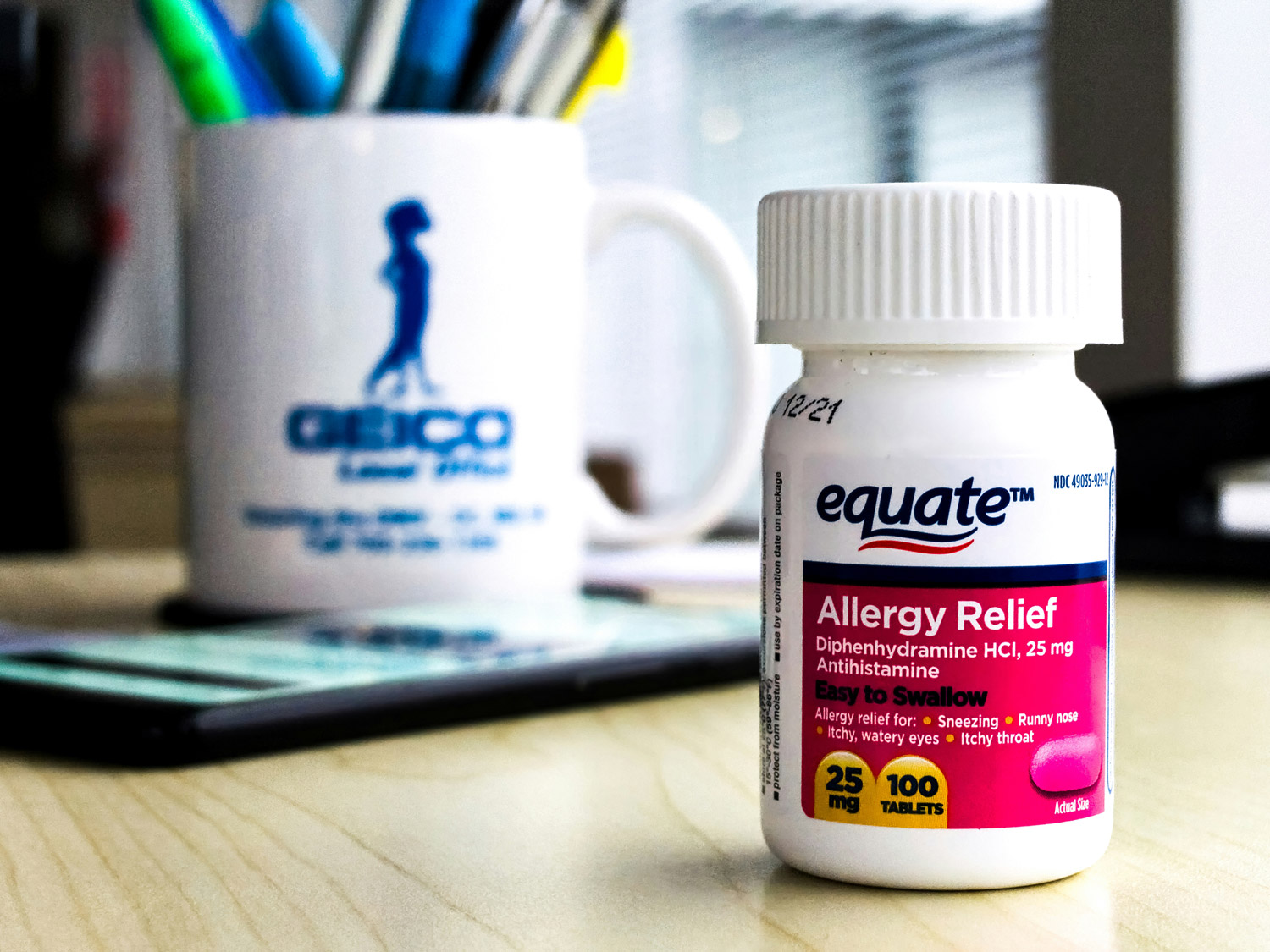
Photos credit: Obi, Alexey Fedenkov and Chermiti Mohamed on Unsplash










Ugh. It’s still mostly winter where I am, but I am not looking forward to The Pollening.
All of this. I’m in Oklahoma and we have been in full allergy mode (often referred to as Cedar Fever due to overly-abundant Eastern Red Cedars) for weeks. Couple of additionals: change the bed pillow cases frequently. Pollen from hair sticks to cases, your face is on it while asleep, and bingo, you wake up hacking. Clean hair at bedtime and fresh pillow case help immensely. And please, nobody come after me, but…MASKS. A basic mask when outside does help keep pollen off your lower face. I see them being used frequently now especially on windy days, and they do help.
Hey, shout out to Dr Joshi, he’s my Immunologist and is great! I will also add to the advice that wearing a mask helps immeasurably when outside. The last month or so has been peak season for some tree and shrub allergens and masking up when outdoors has helped me a lot this year. I also use air filters inside and during the summer months air conditioning, with the windows closed, also helps a great deal.
Finally, the one thing that has made the biggest difference in my getting through allergy season are allergy shots. If you’re able to get, and stay consistent with, them, they can be a lifesaver. My allergies are no longer setting off secondary problems and infections, like sinusitis, sinus infections and COPD exacerbations. Good luck this allergy season to all my fellow allergy sufferers!
My allergist recommends Xyzal over the other over-the-counter allergy meds.
Re: nasal sprays, as a bonus Astepro has been shown to be highly protective against Covid!
Also: air filter!! Get an air filter with a HEPA filter.
This is going to sound wild, but I used to have really severe allergies twice a year. I went through two pregnancies and breastfeeding afterwards added up to almost 4 years of not being able to medicate, and it was the worst. And then in 2018 I took serrapeptase, a supplement originally from Japan, for like 6 weeks on an empty stomach every morning.
I was doing intermittent fasting at the time (which initially really helped hormone problems I was having, after two years it started being it’s own problem), so I’d take it first thing and then didn’t eat until lunch.
My allergies have been minimal since. We’re talking, 6-8 weeks a year of taking Zyrtec to needing it maybe one day. And I live in Dallas, which is usually a top 10 allergy place. The pollening has begun here too, I noticed it yesterday on the cars. And last month we had horrible cedar pollen counts blow up to us from Austin.
Anyway, it was a miracle that changed my life, there aren’t a ton of supplements that I can whole heartedly recommend, but I do that one. It’s not recommended if you’re pregnant, breastfeeding, or taking a blood thinner. Some people take it all the time, for years, but I don’t think there’s very many supplements that you should do that with.
I bought some stuff called Ocusoft Lid Scrub that gets pollen off your eyelids/eyelashes, and I thought that sounds dumb because doesn’t it come off when I wash my face? But I think it really does make a difference! It came with some individual wipes too that I use when I come inside from outdoors but I’m not ready to fully wash my face yet. Maybe it’s a placebo effect, but if I think my eyes feel less itchy then aren’t my eyes less itchy? Anyway, if you can afford to put air purifiers in every room of your house, that makes a huge difference too and bonus: you don’t need to dust as often!