
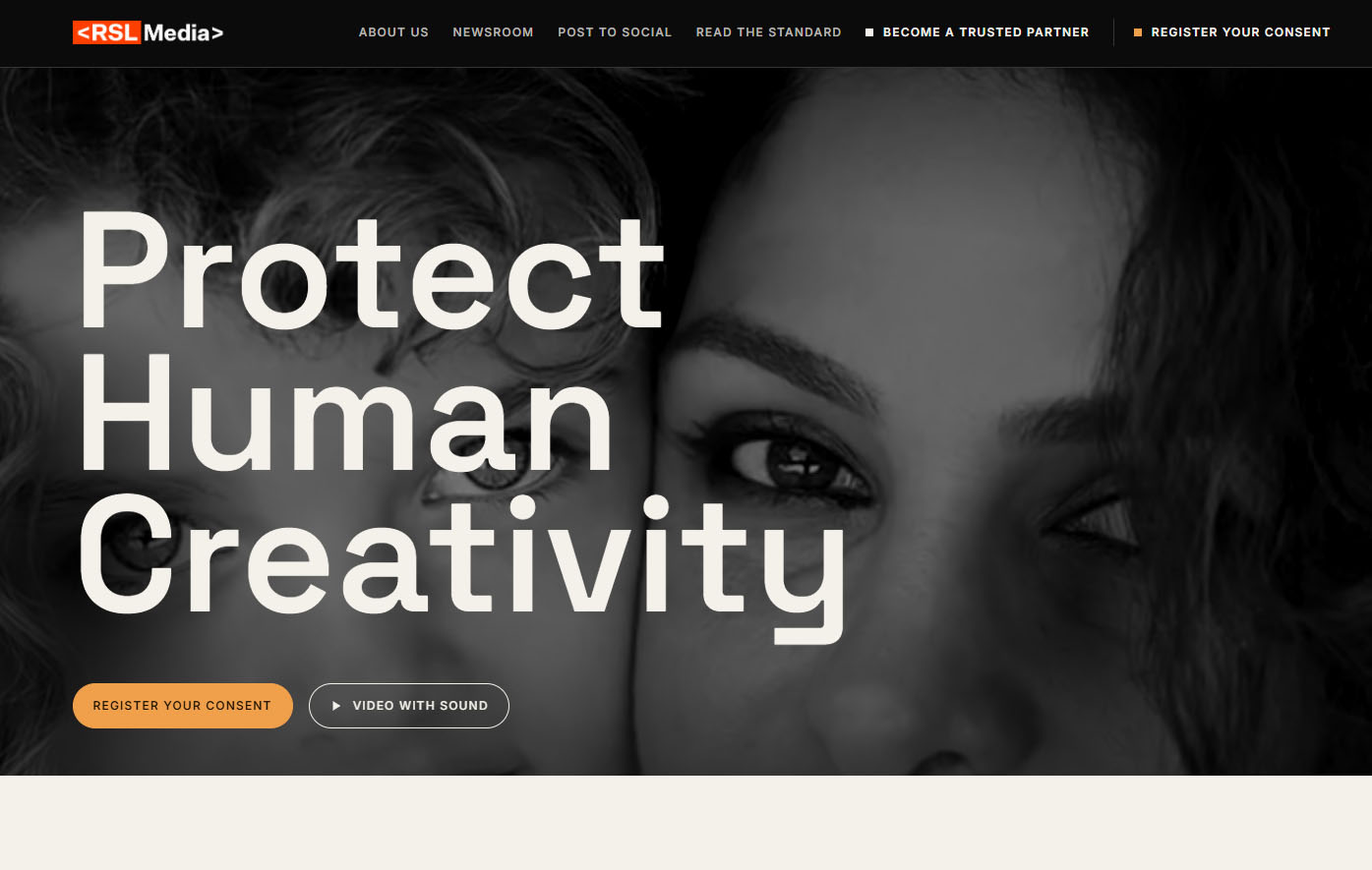
Last week we talked about some asinine comments made by the filmmakers behind the movie featuring an AI Val Kilmer. The pro-AI comments were made to Vanity Fair, in an article that included some counterpoints from a woman named Nikki Hexum. After playing whack-a-mole against AI using and abusing the work of her artist clients, Hexum set out to establish a central online location where humans can explicitly label the degree to which they do or do not consent to their name, likeness, or creative work being used by AI. To make this happen, Hexum cofounded the nonprofit RSL Media alongside Doug Leeds, Eckart Walther, and Cate Blanchett, and last week Blanchett presented the fruits of their labor before the European Parliament in Brussels: a free, online tool where humans can register their level of consent in relation to AI called the Human Consent Registry.
The context is disarmingly simple: your face, your voice, your name, treated as property you get to license or withhold. … “Your identity is your IP in the age of AI, and every person deserves the right to decide how AI can or cannot use it,” Blanchett said.
The registry, hosted at rslmedia.org, works something like a traffic light. A user can allow AI to use their name, image, voice, likeness and movement, allow it subject to terms, or prohibit it outright.
Registration is free for individuals acting on their own behalf, and the system also accommodates third parties such as agents, guilds and managers who route requests through an approved pathway.
RSL Media said the registry should eventually extend to creative works, characters and brands.
[Bulgarian MEP Eva] Maydell described it as “a tool that makes rights transparent, scales trust, and keeps human creativity at the centre of technological progress.”
The choice of venue carried its own argument: the Parliament is where the EU AI Act, the world’s first comprehensive AI law, was shaped and adopted.
The registry is the latest move in a campaign Blanchett has been waging for over a year. In March 2025, she joined Paul McCartney, Ben Stiller and more than 400 artists in an open letter to the Trump administration, urging it not to roll back copyright protection.
That letter took direct aim at proposals from OpenAI and Google arguing that US copyright law should let AI companies train on copyrighted work without permission or payment, a fight that has only sharpened since.
RSL Media’s own launch in May drew support from a long roster of Hollywood names, among them Javier Bardem, Viola Davis, Tom Hanks, Helen Mirren and Meryl Streep. “AI technologies are expanding rampantly, essentially unchecked and unregulated,” Blanchett said in a statement at the time.
“In order for humans to remain in front of these technologies, consent must be the first consideration.”
…What the registry cannot yet do is compel anyone to honour it. Its premise is that a clear, machine-readable record of who has consented to what will give AI developers something they currently lack: a single place to check. If the companies choose to look is the next question.
Whoever came up with the traffic light idea deserves a big bonus, because it makes the concept clear immediately. Green means the usage is allowed, yellow is allowed with conditions, and red is completely prohibited. I also love that the landing page for RSL Media (where the registry lives) welcomes you with the words “Protect Human Creativity.” And in that vein, Hexum has declared that protecting your own name/likeness/work is a basic human right. Hear hear! I think this tool is a fantastic way to address the issue of consent, and having all that data recorded in the same registry will prove incredibly valuable. The spectre at the feast, though, is that last paragraph of the article — the fact that nothing is compelling AI companies to check this registry… yet. I can assure you that no, companies will not choose on their own to check it. Not unless and until they are legally required to do so. RSL Media got the tech part up and running, the next step is making verification of consent ironclad law. The green light is ours, let’s go.

-

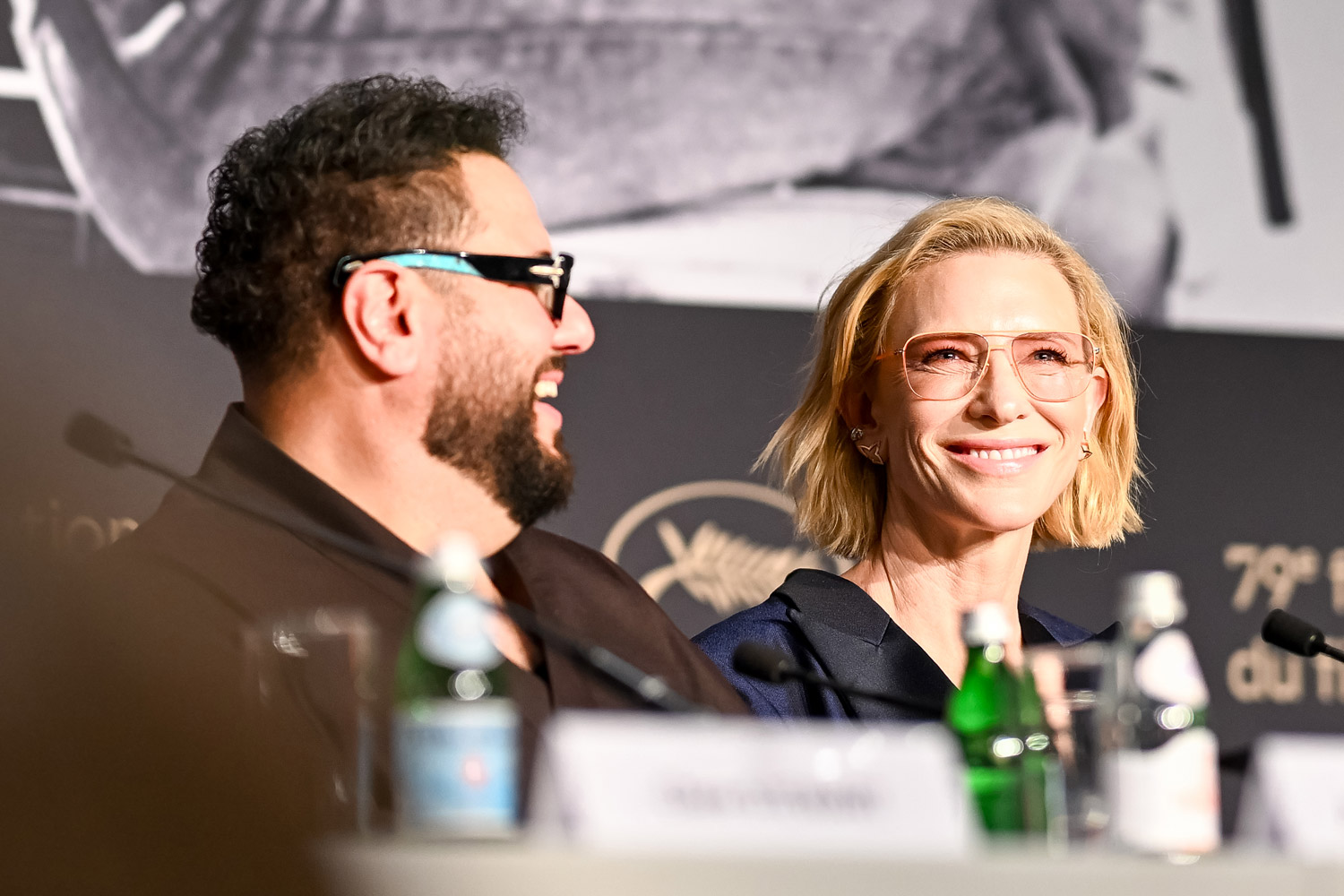
- Cate Blanchett attends the “Garance” screening during the 79th annual Cannes Film Festival at Palais des Festivals on May 17, 2026 in Cannes, France.,Image: 1099880149, License: Rights-managed, Restrictions: , Model Release: no , Credit line: Olivier Huitel/Avalon
-

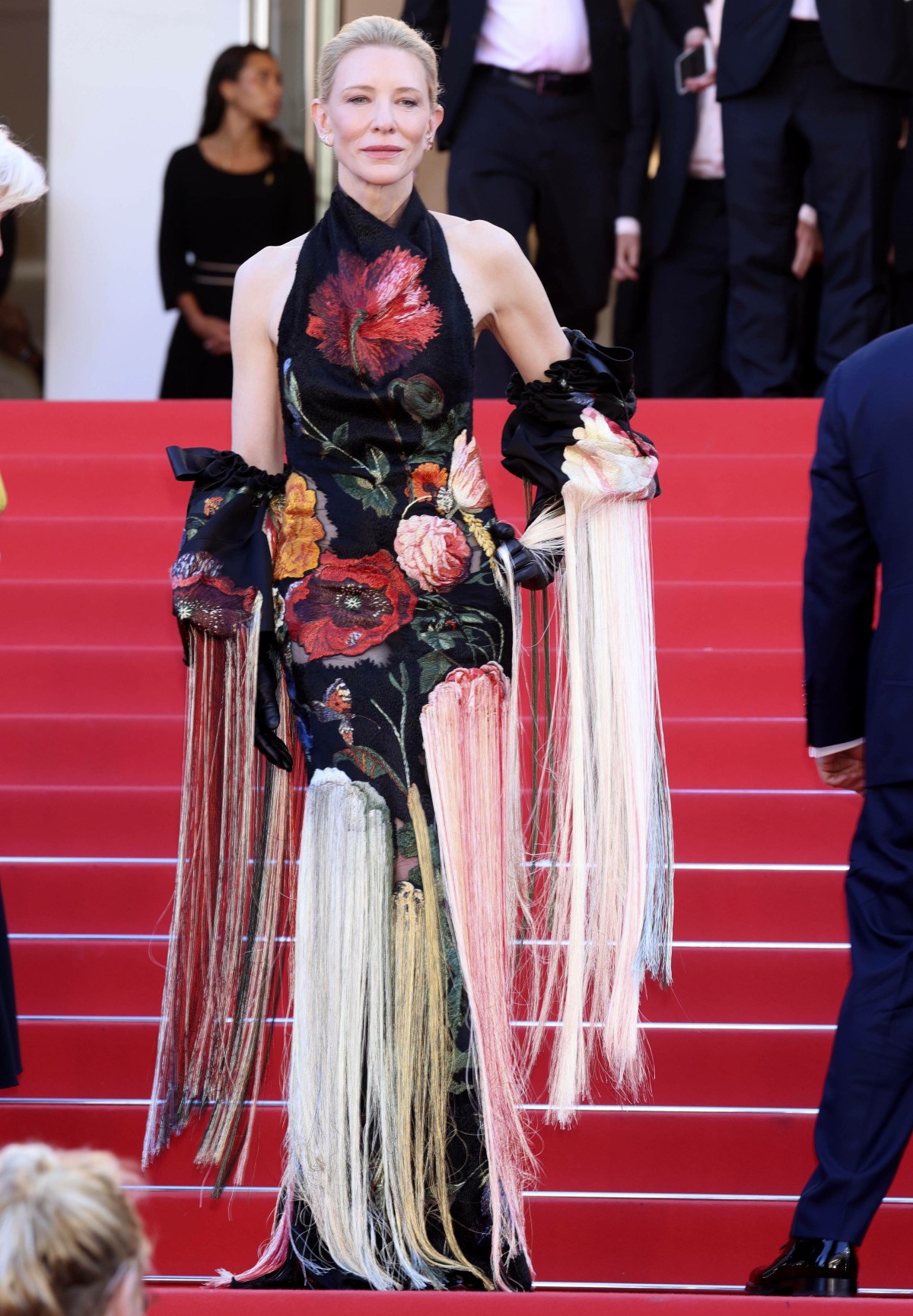
- Cate Blanchett bei der Premiere des Kinofilms Garance / Another Day auf dem Festival de Cannes 2026 / 79. Internationale Filmfestspiele von Cannes im Palais des Festivals. Cannes, 17.05.2026 *** Cate Blanchett at the premiere of the feature film Garance Another Day at the Festival de Cannes 2026 79 Cannes International Film Festival at the Palais des Festivals Cannes, 17 05 2026 Foto:xD.xBedrosianx/xFuturexImagex garance_6613,Image: 1099920489, License: Rights-managed, Restrictions: imago is entitled to issue a simple usage license at the time of provision. Personality and trademark rights as well as copyright laws regarding art-works shown must be observed. Commercial use at your own risk., Model Release: no , Credit line: IMAGO/Dave Bedrosian/Avalon

-

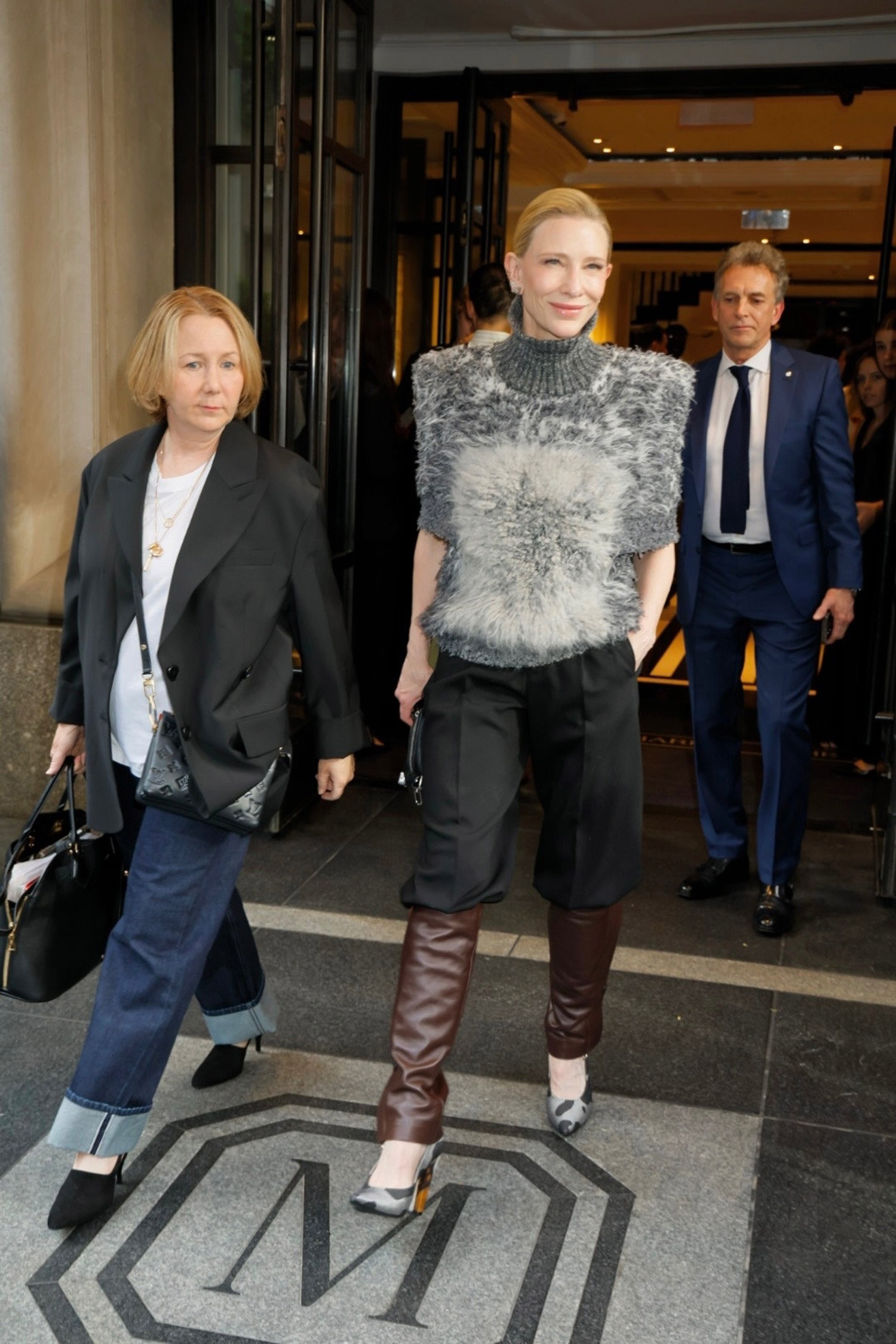
- ‘Garance’ premiere during the 79th annual Cannes Film Festival at Palais des Festivals Featuring: Cate Blanchett Where: Cannes, France When: 17 May 2026 Credit: Terenghi/IPA/INSTARimages **UK, USA AND AUSTRALIA RIGHTS ONLY**

Photos credit: Olivier Huitel/Avalon, Estelle Carlier/Starface Photo/Cover Images







But it means, should you sue, that the information was publicly known and the AI companies should have been aware.
It’s good to see some practical action in this area, and getting the backing of Hollywood names is smart. This may not be the perfect solution but it’s a start.
The privacy issues and cybersecurity risks to giving this non-profit all of your personal information and then making that searchable by companies online to me seem like complete non-starters.
The baseline should be that nobody can ever use your likeness or information about you to generate AI derivative works without your permission, in advance. No registry required. People should not have to participate in this registry to protect their likeness.
I don’t say this often, but this is totally stupid, coming up with a Band-Aid solution and the creation of a whole organization and additional burden for people on something that could be easily addressed with legislation and governance.
Sure, the baseline should be that, but it isn’t. This registry doesn’t ask you for any non-public information (I created an account just to check). Legislation and governance are slow processes, and technology moves fast, so people have to protect themselves however they can.
In an ideal world, yes. That’s not where we seem to live.
“your face, your voice, your name, treated as property“ God this is bleak.
Yes, we all hate AI. But my guess is this registry goes too far in the opposite direction, and will be used by the rich and famous to censor Fair Use and news stories about them.
Color me 🔴.