
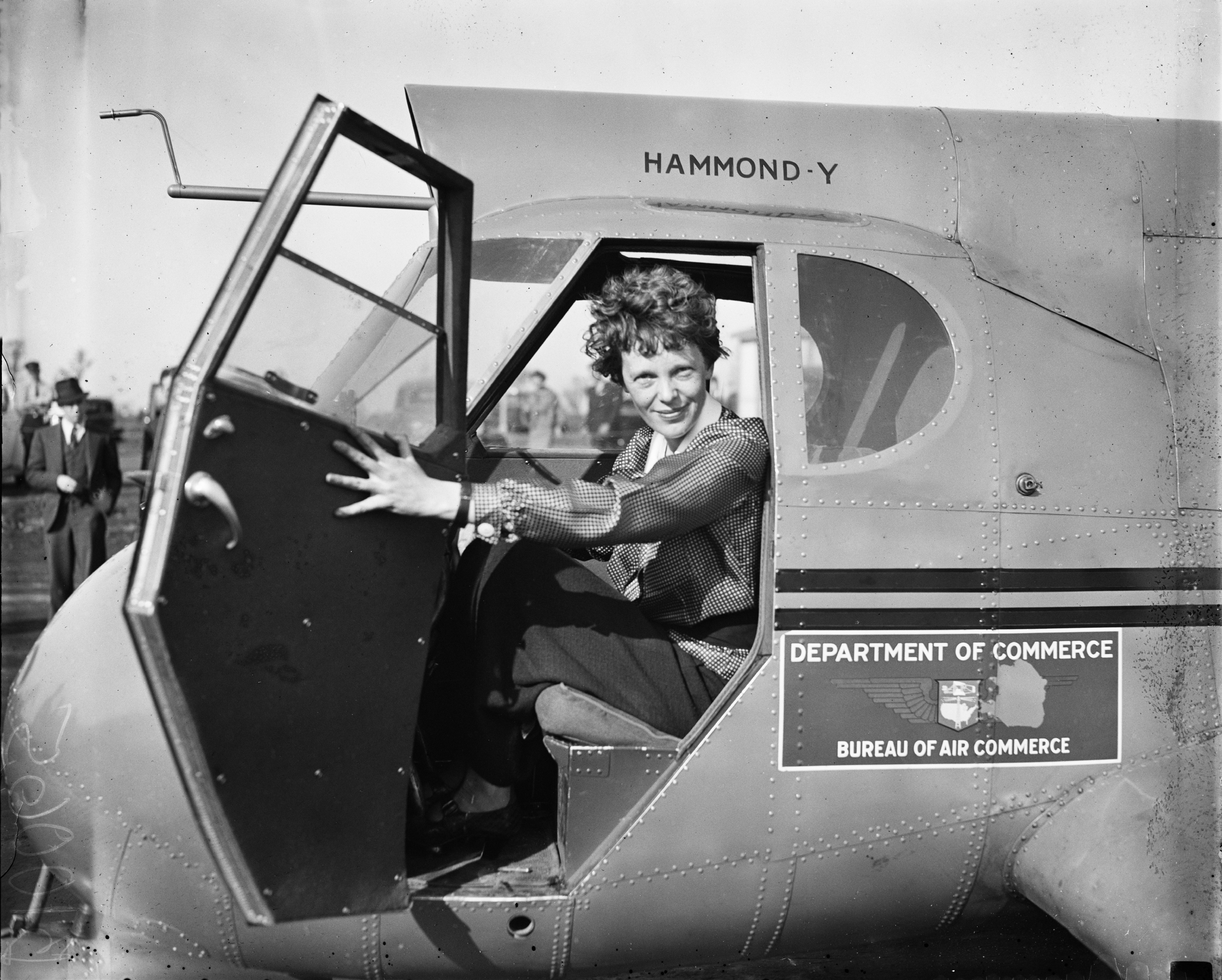
Last Friday we set off into the weekend soaring high on possibility, marveling at the prospect that we might be days away from confirming the final resting place of Amelia Earhart’s Lockheed Model 10-E Electra plane. A crew of researchers from the Archaeological Legacy Institute (ALI) and Purdue University (PU?) had arrived at Nikumaroro Island, an atoll in the Pacific Ocean a few hundred miles south of the island Earhart and navigator Fred Noonan were trying to reach (Howland) before they disappeared into the greatest mystery in aviation history. Nikumaroro has long been suspected as the place where Earhart and Noonan actually landed, and the latest expedition was there to gather evidence about a “visual anomaly” seen on satellite images. The great hope/hypothesis was that the anomaly, called the Taraia Object, was the remains of Electra. Well, to be brave enough to seek answers demands of us the grace of being strong enough to receive them as they are. On Monday, members of the research team confirmed that the Taraia Object is not the Electra; it’s a mass of trees with a carbonate veneer. And the mystery continues…
“We can say now, after the conclusion of our work, that the Taraia Object did not or does not represent the wreckage of Amelia Earhart’s Electra aircraft,” the Archaeological Legacy Institute’s executive director Rick Pettigrew said in an Oct. 18 YouTube video. “Instead, we think it’s most likely that the object was a collection of debris that accumulated here.”
Pettigrew—whose team worked with researchers at Purdue University—noted that, unfortunately, the mystery has been “ongoing for 90 years, and the mystery continues.”
As for what was seen in the 2020 satellite imagery that sparked the investigation?
Evidence gathered at the Taraia Peninsula, according to an Oct. 18 Purdue press release, confirmed that the “visual anomaly” was “likely a collection of large trees deposited along the peninsula’s sandspit.”
“The fragment’s reflective surface, long associated with the idea that the object was a metallic substance, was due to its carbonate veneer,” the release added. “Other items found by the team were similarly coated with a shiny concretized amalgam of coral sand.”
But that doesn’t mean the expedition to find Earhart’s plane—which disappeared over the Pacific Ocean in 1937 while she attempted to fly around the world—was fruitless.
“At the same time, the evidence for the castaway hypothesis, which brought us here, remained very, very strong,” Pettigrew explained. “We think that it’s very likely that Amelia and her navigator Fred Noonan did, in fact, end up here on Nikumaroro Island.”
“We accomplished our main goal, which was to come here and test that hypothesis,” he continued. “We followed our game plan. We did the analysis.”
Purdue’s general counsel Steve Schultz couldn’t help but praise the team for taking the investigation to new heights.
“Unfortunately, we weren’t able to find that smoking gun, but we’re again proud of what we accomplished,” he added in the YouTube video. “We leave Nikumaroro knowing more than what we did when we came here.”
“Amelia herself said, ‘Adventure is worthwhile in itself,’” Schultz said. “We’ve lived that out this week with all the trials and tribulations that we had, the things that we’ve had to overcome, and yet be able to follow our game plan and follow the evidence to the end. We’re very proud of that, and we leave fulfilled in that sense.”
We were so close! Sigh… Ok, so the Taraia Object is the Taraia Tree Mass. At least we now have a definitive answer on that. This doesn’t disprove that Earhart and Noonan landed on Nikumaroro Island, though. Quite literally, all it proves is that the object is not the Electra. There’s still good reason to believe in the Nikumaroro theory, and it dates back to findings made on the island in 1940. A British expedition recovered skeletal remains — including a skull and multiple arm and leg bones — that were later examined in Fiji. But here’s the rub: the doctor who examined the remains (a man), decided that the size of the bones meant they had to be from “a stocky European male,” and once they were dismissed from potentially being Earhart’s, the bones were thrown out. Put in crude terms: a dude doctor couldn’t imagine a tall woman.
In 2018, experts reexamined the bone measurements taken in 1940 and, using a computer program, determined that it was highly likely they belonged to Earhart. So the new holy grail on Nikumaroro would be to unearth more bones that could be tested with today’s technology. A long shot, I know. Which means that for the time being, the run of the island comfortably returns to its rightful rulers: those monster coconut crabs.
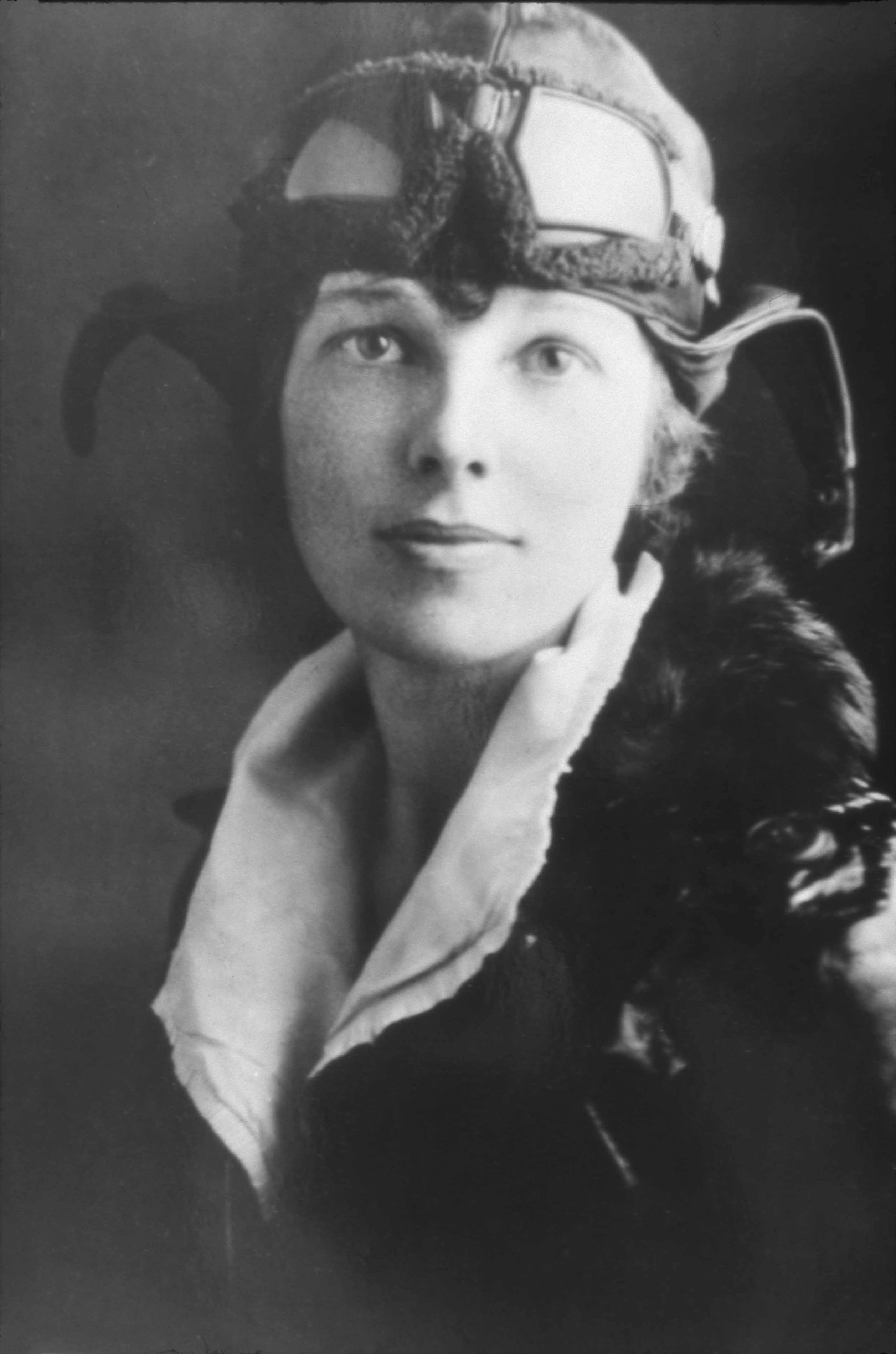
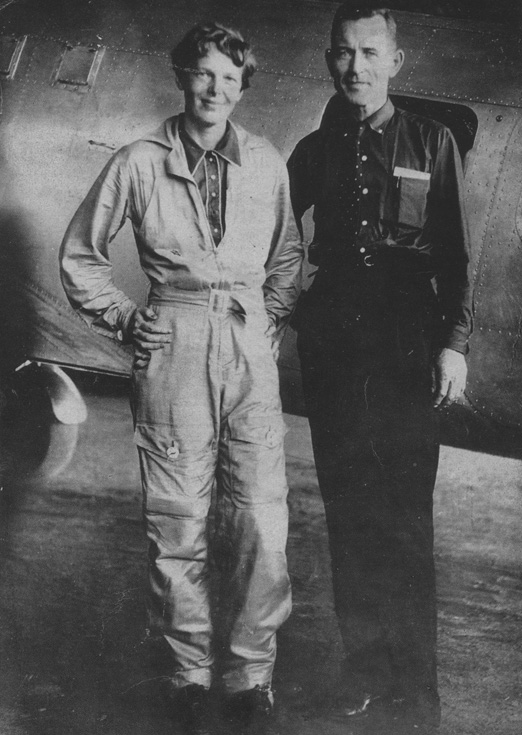


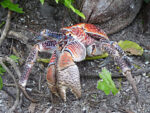
Photos are public domain via Wikipedia, Coconut Crab photo credit: Laura J. Beauregard, USFWS










They “threw out” human remains?? Not give them a proper burial?
And why were the bones sent to some rando, in Fiji?
Shucks. Ah well. Hopefully they are able to discover new remains while they are there – unless they plan to move on after this disappointing outcome. It’s odd that the previously discovered bones were thrown out though. I attended a very ancient school and even to this day they’ve got skeletal remains which are centuries old in the biology and zoology labs, among huge jars with human and animal foetuses preserved in various stages of development. These remain sources of endless fascination to the younger girls when they first arrive, and I’m sure quite instrumental in encouraging them to pursue careers in science and medicine.
So that’s it? No other lead or evidence to be followed-up? Well, that’s just another depressing tidbit for me this morning. I was hoping for progress on this search.
What a startlingly waste of money for PU. Why did they send chief legal counsel? It’s not as if the man is a researcher. FTR, the school has had frozen tuition for over a decade, causing financial hardship.
Don’t get me wrong; I appreciate research for the sake of attaining new knowledge. This one didn’t need the financial backing of a university solely interested in the PR. And we know that’s the case because they didn’t involve legit researchers. Look at the team they sent…
Sigh. Maybe it’s a sign to let her rest in peace.
You make excellent points. I’m pretty much in the let her rest in peace school already.
I’m not disappointed because I wasn’t expecting anything from this. I’m even skeptical that she and Noonan were ever on the island. People underestimate how incredibly difficult it would be to land on or near a coral reef or sandbar. However, this is not a total loss for me– thanks for including my favorite photo of Amelia, the one in the leather jacket and flight helmet. Amelia, “forever young and golden” as her good friend Ruth Nichols described her after her disappearance.