
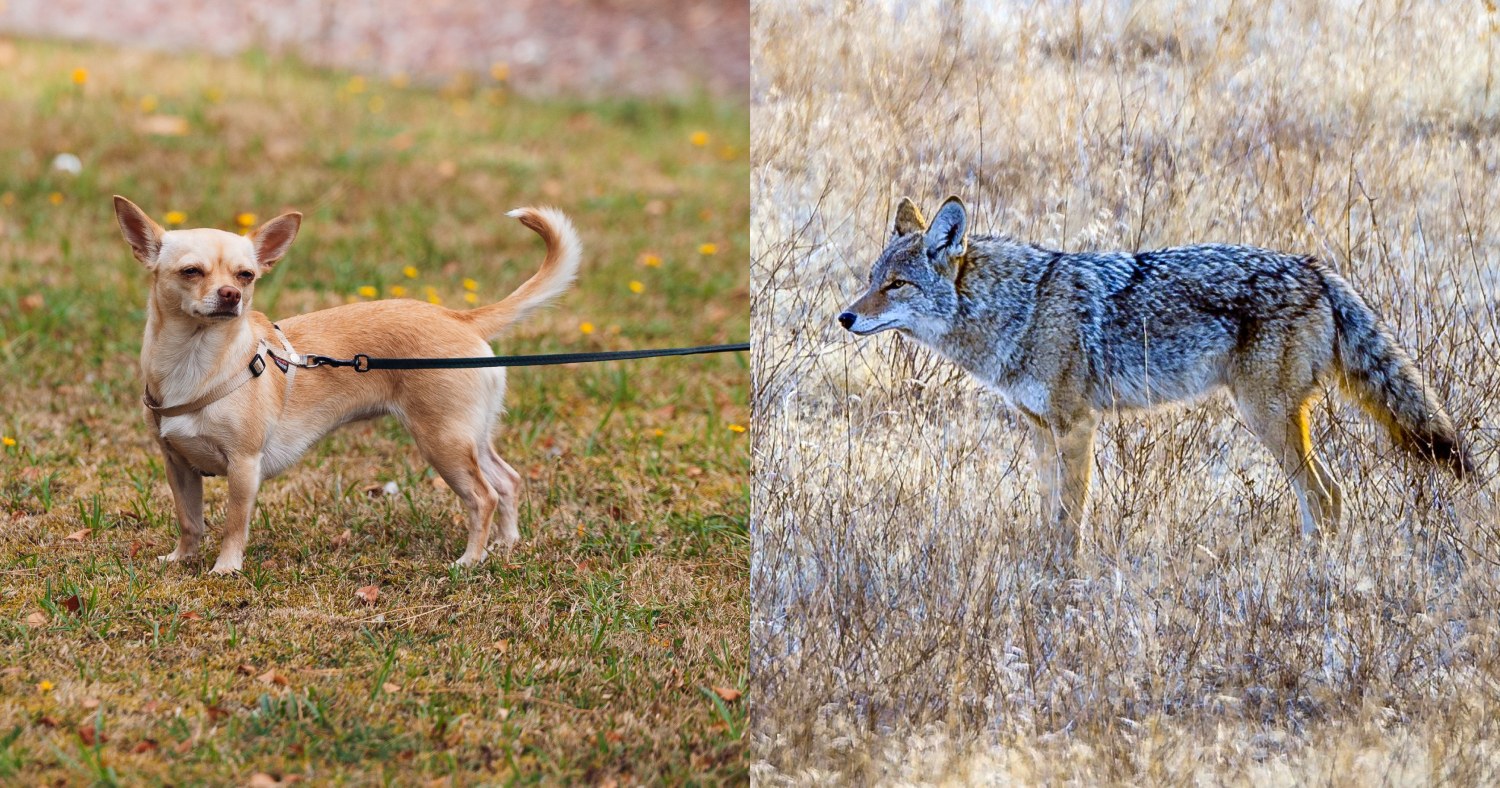
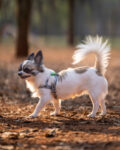
I am the proud person to My Guy, an 11-pound long-haired Chihuahua (with maybe a little Papillon in there as well). My Guy likes to greet other canines on the street with his signature move of standing tall on his hind legs and vigorously pawing at the air with his front legs in unison, accompanied by vocalization that errs on the side of growl. As you can imagine, it’s an intimidating sight. And by “intimidating,” I mean it usually compels hearty laughter from any bipeds who catch the display of pint-size ferocity. One time, a woman enjoying the scene from an outdoor cafe responded to My Guy with the encouraging words, “Yes, yes, I can SEE that you’re descended from wolves!” As it turns out, My Guy is also descended from coyotes. Researchers at Stanford stumbled upon trace yet clear markers of coyote DNA in Chihuahuas, something not found in almost every other dog breed. No wonder those little balls of furry fury walk around with big predator energy — it’s in their genes!
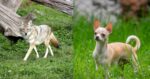
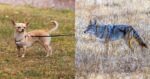
Part coyote: A casual observer might assume Chihuahuas are descended from angry electric toothbrushes. The breed’s characteristic quivering has historically been chalked up to garden-variety neurosis or a low tolerance for chilly drafts. But a new study published in the journal Nature Communications suggests a more poetic explanation: Tucked inside that 4-pound frame is a microscopic shard of a coyote, trying to break free. Researchers at Stanford University were testing a new software algorithm designed to analyze the genomic ancestry of any species at high resolution. By happy accident, the team discovered that, unlike almost every other dog breed, Chihuahuas carry distinct hints of coyote DNA, most likely embedded long before Europeans set foot in the Americas.
Part Techichi: The Chihuahua lineage is believed to wind back to the Techichi, a small, barkless companion animal domesticated by the Toltec civilization around the turn of the first millennium that has since gone extinct. Alexander Ioannidis, a Stanford geneticist who collaborated on the paper, notes that contemporary Chihuahuas still retain roughly a 4-percent slice of their ancestry from these pre-contact pooches. And buried deep within that fraction are even smaller, hidden remnants of an ancient tryst between those native dogs and coyotes. … “Every domestic dog can track its lineage back to Old World wolves,” Dr. Ioannidis said, adding that coyotes occupy an entirely separate branch of the evolutionary tree. “The genetic calling cards found in the Chihuahua are unmistakably coyote, not some long-lost signature unique to ancient American dogs.”
An intentional mix: Historical records suggest that a union between coyotes and indigenous canines was no accident. The literature points toward an intentional breeding program in pre-Columbian Mexico, Dr. Ioannidis said. The size disparity between a standard coyote and the much smaller Techichi makes natural interbreeding difficult to imagine, but the mechanics are not impossible. Wild canines of very different sizes do successfully mate, Dr. Ioannidis said.
A welcome look at ancient indigenous dogs: Elinor Karlsson is a geneticist at Darwin’s Ark, a citizen-science project mapping pet dog genomes. She said she liked the study because it peers past modern breed ancestry to trace individual DNA segments back to ancient global populations. The results also call attention to the disappearance of indigenous dogs after European colonization, which remains an enduring historical puzzle, Dr. Ioannidis said. Well before Spanish horses ever trotted across the Great Plains, indigenous canines were ubiquitous fixtures of everyday life, serving as sturdy pack animals that dragged cargo across the continent in the manner of prehistoric huskies. After colonization, that sprawling population seemed to vanish entirely, leaving behind little more than genetic echoes hidden inside the world’s smallest dogs.
Another geneticist quoted in the article emphasized that evidence already existed of indigenous dog and coyote interbreeding; what’s big about this new report is the clear genetic evidence showing up in modern day dogs. I also love the way the other geneticist, Elinor Karlsson, frames these findings around the ancient indigenous dogs who were wiped out by colonization (really, Europeans arriving in North America was like the asteroid doing in the dinosaurs). More specifically, how it’s an under-explored field of study. I mean, yes of course I knew there was once a barkless animal called the Techichi who is the ancestor of modern day Chihuahuas, that wasn’t breaking news to me at all! In any event, may Chihuahuas everywhere forgive us for not acknowledging their genetic prowess before now. Still, it’d be awfully nice if they decided not to yap at… absolutely everything. And speaking of, “A casual observer might assume Chihuahuas are descended from angry electric toothbrushes,” is a f–king banger of a sentence.
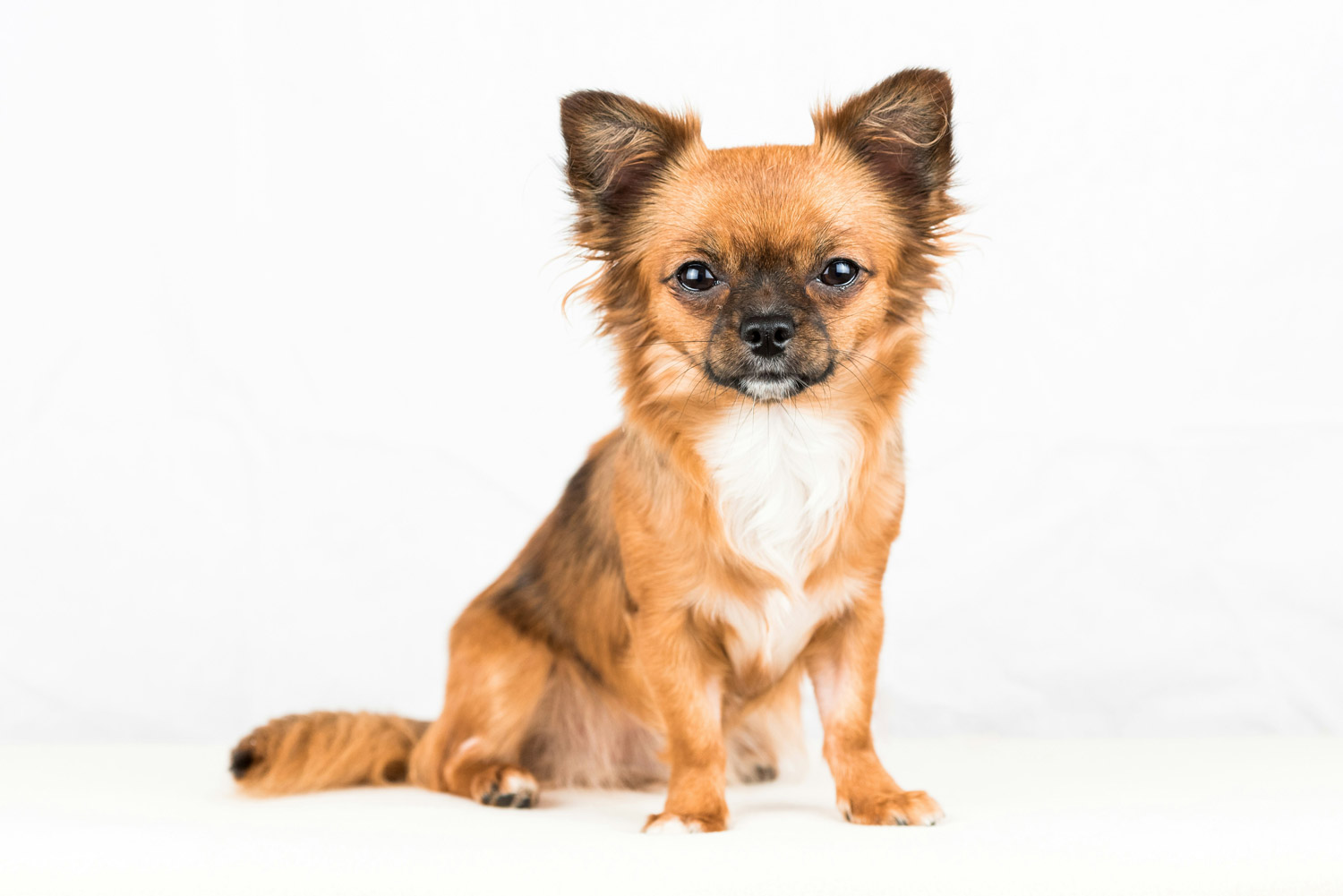
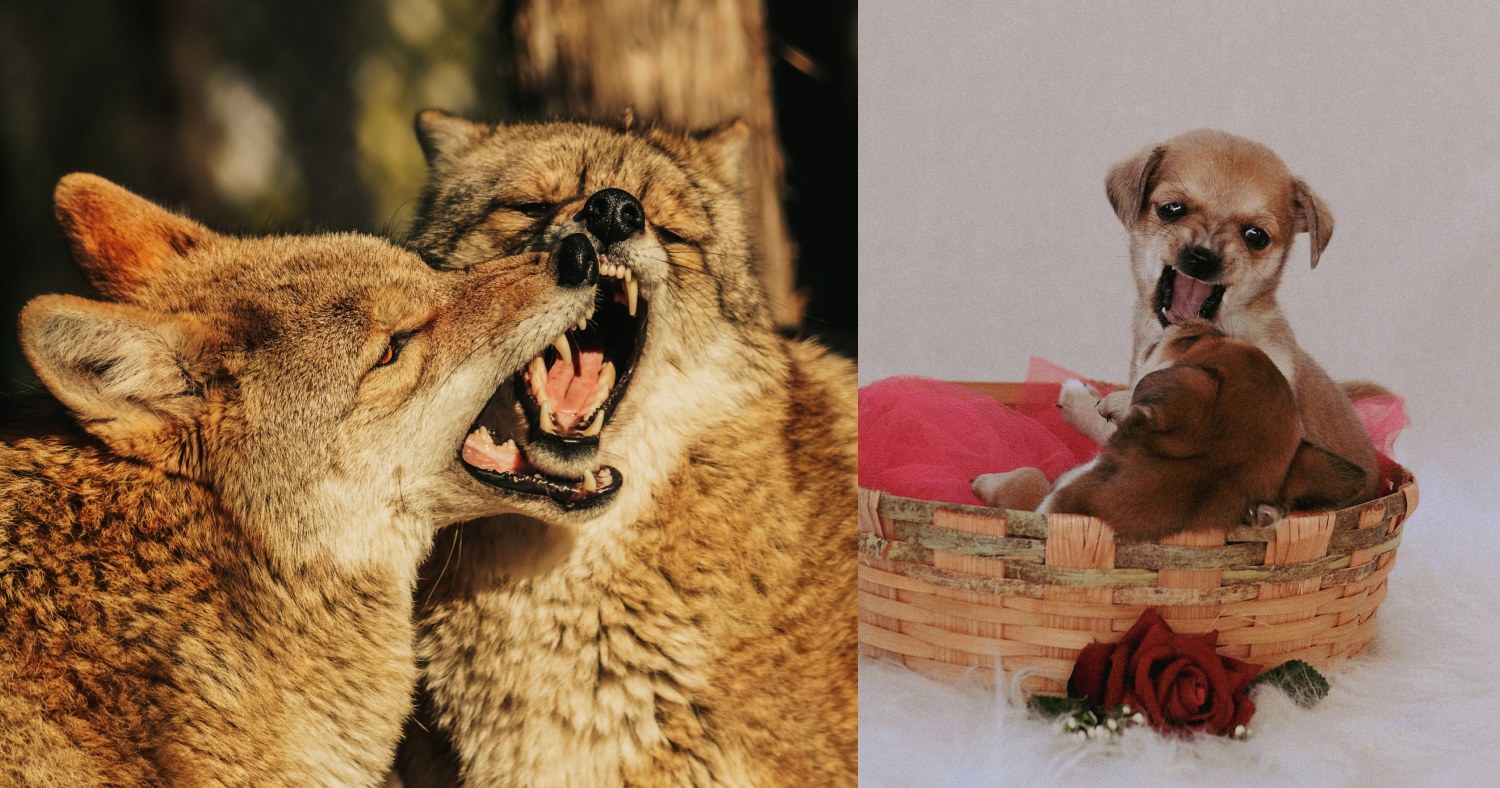
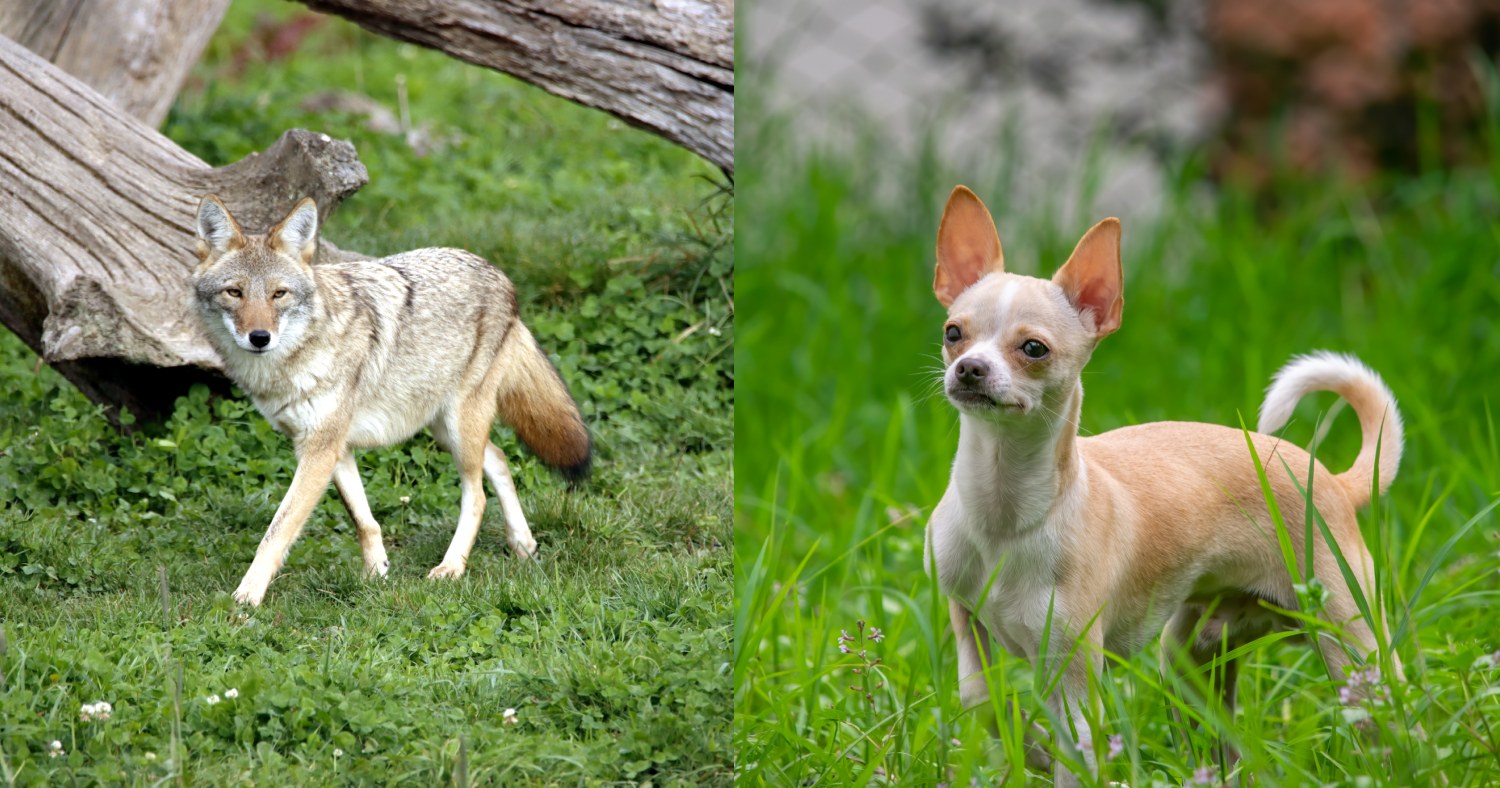




Wanas Rosa, Brett Sayles, patrice schoefolt, Gustavo Denuncio, on Pexels, Anna-Lena Helbrecht, KK, Jairo Alzate on Unsplash











Explains…A LOT! 🫨🤣✨️💕✨️