
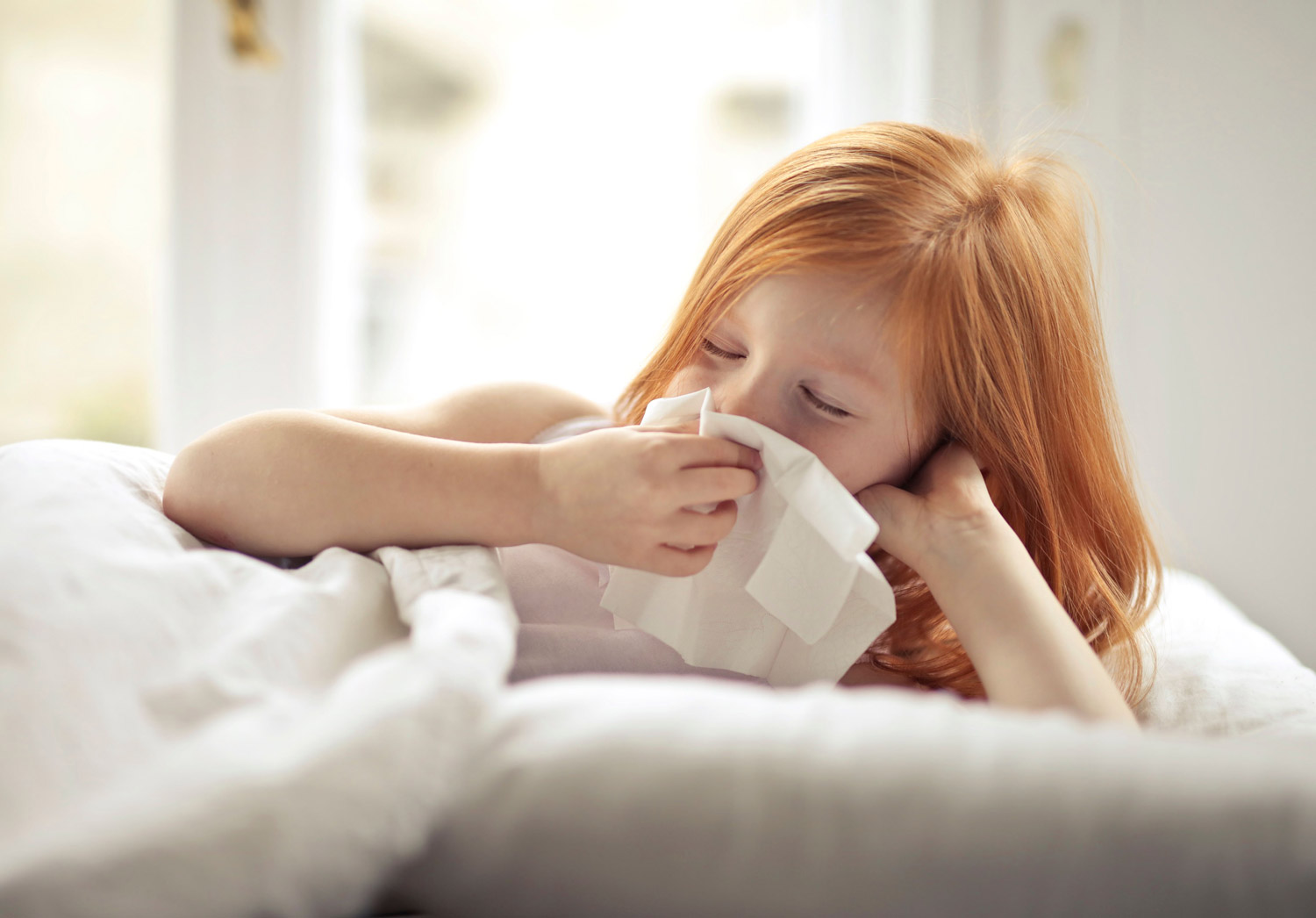
It doesn’t feel like it here in the North Carolina heat, but summer is starting to wind down. As such, fall allergies have begun. After a brutal spring pollen season and record-high tick season, ragweed season is expected to follow suit. Ragweed starts to unleash its pollen in early August and peaks in mid-September and October. It grows wild in Canada and almost every U.S. state, and is particularly bad in the eastern and midwestern parts of the country.
A single plant can send up to a billion grains of pollen into the air, which can travel up to 400 miles from where it was released. This year’s weather conditions are causing it to be particularly troublesome for allergy sufferers. If you’ve noticed more sneezing, itchy eyes, or headaches lately, ragweed is probably the culprit. From MSN:
While our summer has been dry, many can’t say the same for their nose or eyes. Ragweed allergies are picking up steam.
“Ragweed is actually a very, very common weed that grows wild throughout the Midwest and Northeast,” said Dr. John Sweet, an allergist with Hennepin Healthcare.
Its leaves have a fern-like appearance with greenish-yellow flowers at the end of its branches. Sweet said just one single ragweed plant can generate a billion grains of pollen that can travel more than 100 miles.
“Even though you may not see ragweed in your yard, it’s in the air. So, there’s almost no avoiding it when you’re outside if you have an allergy,” he said.
Seasonal allergies impact about 20% to 40% of the general population, according to Sweet.
When ragweed pollen gets into an allergic person’s eyes, nose or throat, the body releases chemicals to fight it, creating the following symptoms:
Itchy, watery, red eyes Nasal congestion Runny nose Eczema/hives So how can you best battle ragweed allergies?
It starts with prevention. Sweet says you can use a steroid nasal spray and take an antihistamine pill daily, though you should do it before symptoms start.
“(Nasal spray and allergy pill) combined can be much more effective than taking either separately,” he said.Ragweed pollen also sticks easily to hair and skin. Sweet recommends showering to remove it, especially before getting into bed.
Ugh, this sounds so miserable. I don’t envy any of you who are dealing with ragweed allergies. Some ways to help with them include daily antihistamines and showering before bed to rinse pollen off your skin and hair. You can also check pollen counts so you know to stay indoors as much as possible on high-wind days.
I grew up on Long Island and had terrible allergies to the point where I got bronchitis every year. Somehow, I got lucky when I moved to North Carolina and have had minimal symptoms from the pollen down here. My kids are a different story. My younger son has been sneezing and complaining of itchy eyes lately. I never put it together with ragweed season until now. Antihistamine eye drops have helped his eye issues a lot. My older son, who is prone to spring allergies, has been getting a stuffy nose and headaches, but has been responding well to generic Claritin.

Photos credit: Andrea Piacquadio, Kaboom Pics on Pexels











Awww, the header photo reminds me of Lili. Adorable child.
Right now I am suffering. It’s bad enough that I took a COVID test (negative).
So bad this year.
It makes me so tired too. It sucks the life out of me!
My poor child is going to have a hell of a Fall season 🥹 For me Spring time is the worst.
If you can afford it/your insurance will cover, there’s a set of standardized ragweed shots, and it’s only 4 shots a year (done as a series 1 to 2 weeks apart, to be completed before your local ragweed season begins,) and really worth it. Mid-August until frost used to be the worst time of year for me every year, but I got relief from the first year of shots, and after a few years of shots, I’ve not had several years of relief without an annual series of shots.