
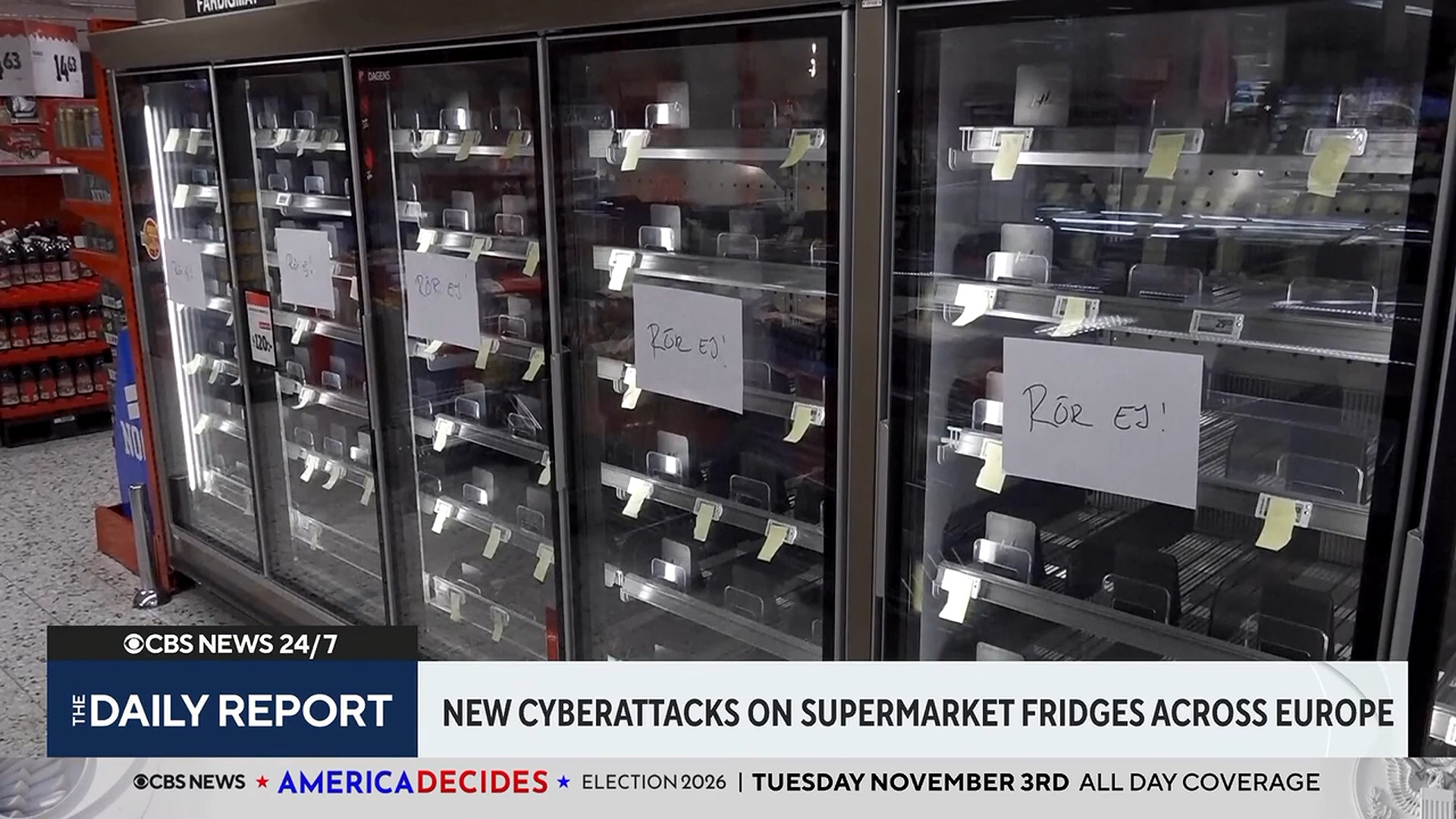
Last month, 500 supermarkets across France were hit with a cyberattack in which refrigerators were reset to soaring temps in order to deliberately spoil millions of dollars worth of food. At the same time, Ahold Delhaize — a Dutch company that owns many food chains in Europe and the US — was hit with a separate cyberattack that put supermarket apps and websites offline. I regret to inform you that this week there’s been another sweeping cyberattack that seems to be a rotten combination of the previous two. On Monday, supermarkets owned by Ahold Delhaize and another big parent company, Colruyt, discovered untold amounts of food ruined once again by overheated fridge temps. Only instead of France, the attacks struck seven other European countries: Belgium, Estonia, Finland, Ireland, Luxembourg, the Netherlands, and Sweden. And just like with the French attack last month, no one has yet claimed responsibility for this latest strike.
A second wave of cyberattacks is suspected to have hit supermarket refrigerators across Europe, causing fridges to increase temperatures and spoil food at dozens of stores across Belgium, Ireland, Luxembourg, and Sweden.
Supermarket giants Ahold Delhaize and Colruyt confirmed the hacks overnight, with one Belgian company that operates Delhaize’s systems saying that the hackers had changed the settings to defrost, per Reuters. Stores have experienced heavy food losses from the cyberattacks, forcing supermarkets to throw out goods that had defrosted or were otherwise no longer consumable.
The cyberattacks follow earlier refrigerator hacks in France last month that caused food spoilage at hundreds of supermarkets by deliberately raising the temperature on the units. Security researchers said that the cause of the hacks was internet-connected refrigerators made by Danish company Danfoss, which was no longer providing security updates. Security company Claroty warned back in August that those refrigerator units were at risk of remote hacks and outages.
The freezer hacks underscore how cyberattacks can have real-world effects, including on the food supply chain, often as a result of weak or overlooked cybersecurity practices. In 2025, a cyberattack on food distributor giant UNFI resulted in food shortages and empty shelves at grocery stores and supermarkets across the United States.
U.S. Department of Defense officials are reportedly investigating whether freezer units on military bases were hacked by Iran-backed hackers. Iranian hackers were also blamed for cyberattacks targeting U.S. water providers earlier this year.
All of this is extremely disturbing. The reports of grocers having to put up signs like, “Due to cyberattacks, there will be no products on the refrigerated or freezer shelves,” is a shade too Dickensian bleak for comfort. People not having access to food is the literal stuff that revolutions are borne of, and there’s no shortage of bad actors (some of them even governments) more than willing to deploy these kinds of hits on a virtual battlefield. Who’d love nothing more than for their adversaries to be distracted by domestic turmoil. Oh, and there’s also AI around to raise the stakes on everything; it has the power to increase the number of cyberattacks, plus the rogue sensibility to instigate attacks without human direction. What could go wrong? Only EVERYTHING. (Sorry to be a spoilsport on what was otherwise a very uplifting, invigorating Wednesday morning.)
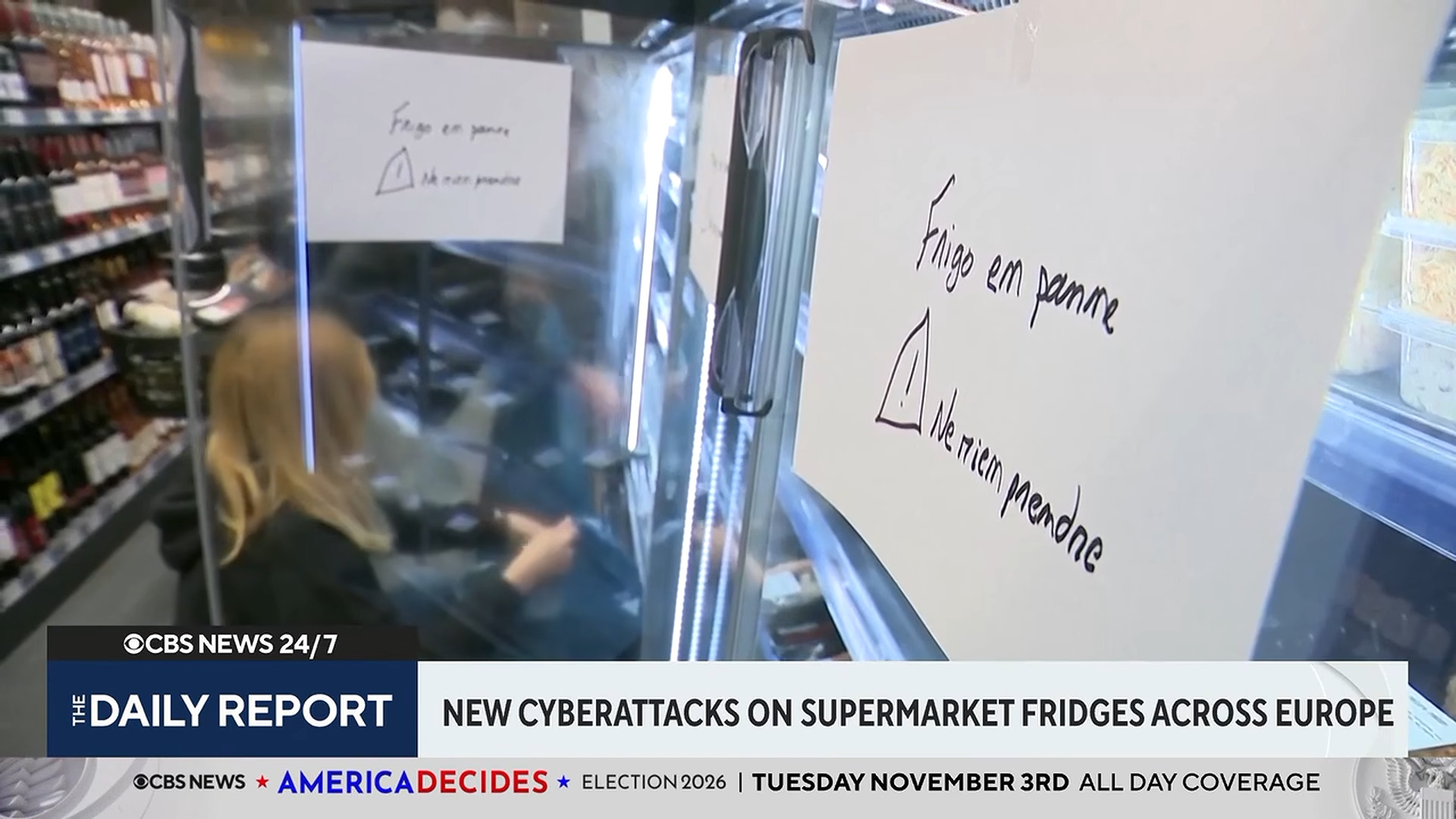
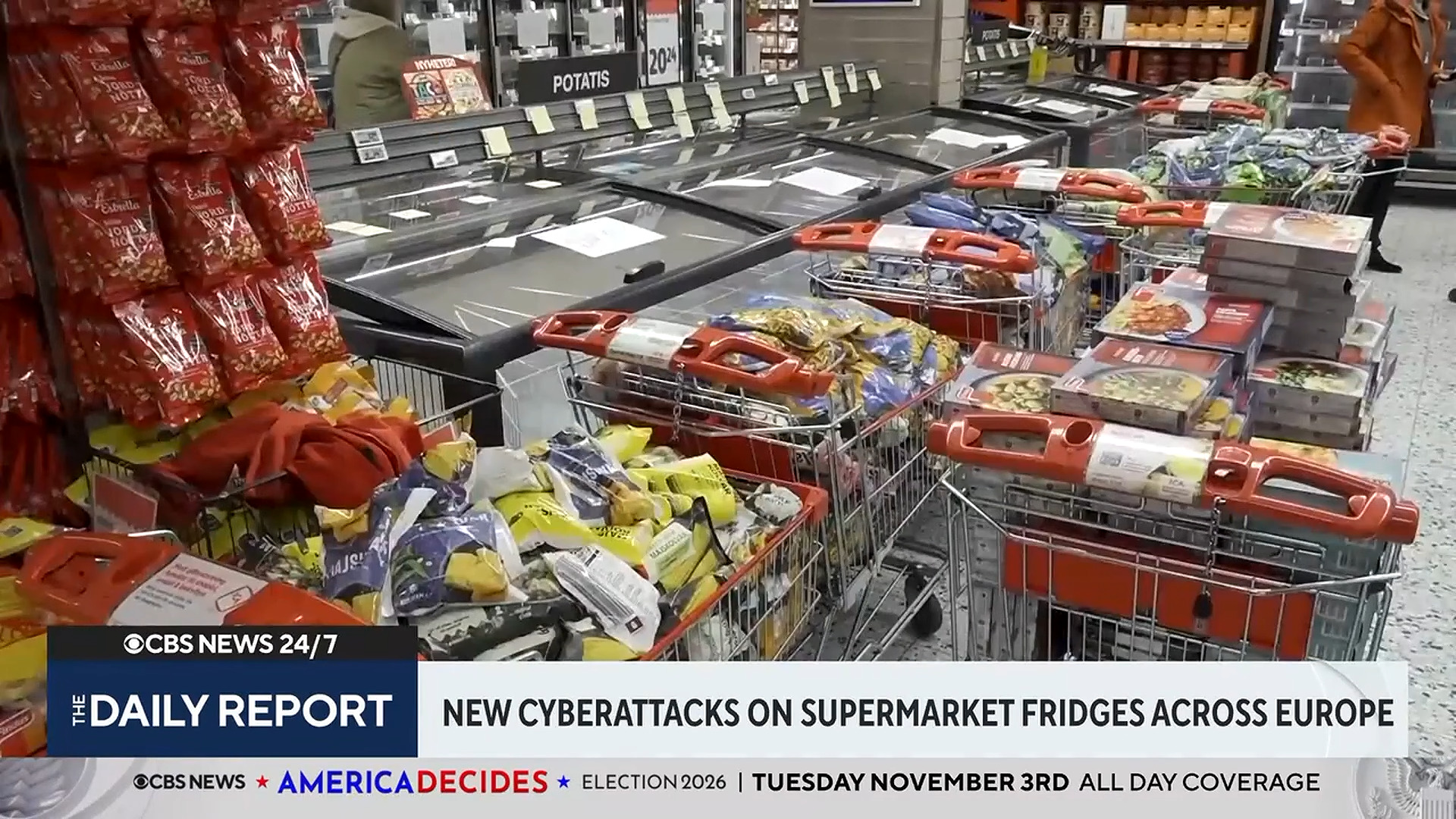
Photos are screenshots from CBS News report, above











Whyyyy are they doing this?! Some people just suck I guess. >.<
Is this how the end is going to come? This is scary.
Can’t they just… not connect appliances to the internet? It worked for 100 years before now.
I thought I was dumb for thinking that @fancypants but yeah, why not?
Same question from me. Have they not considered disconnecting from the Internet as a precaution? Maybe they laid off the people that know how to do so.
That would mean to pay someone minimum wage to do that and no we cannot stoop that low (eyeroll 360)
Anyone else think it’s Russia? Attacking the EU for supporting Ukraine without using bombs?