
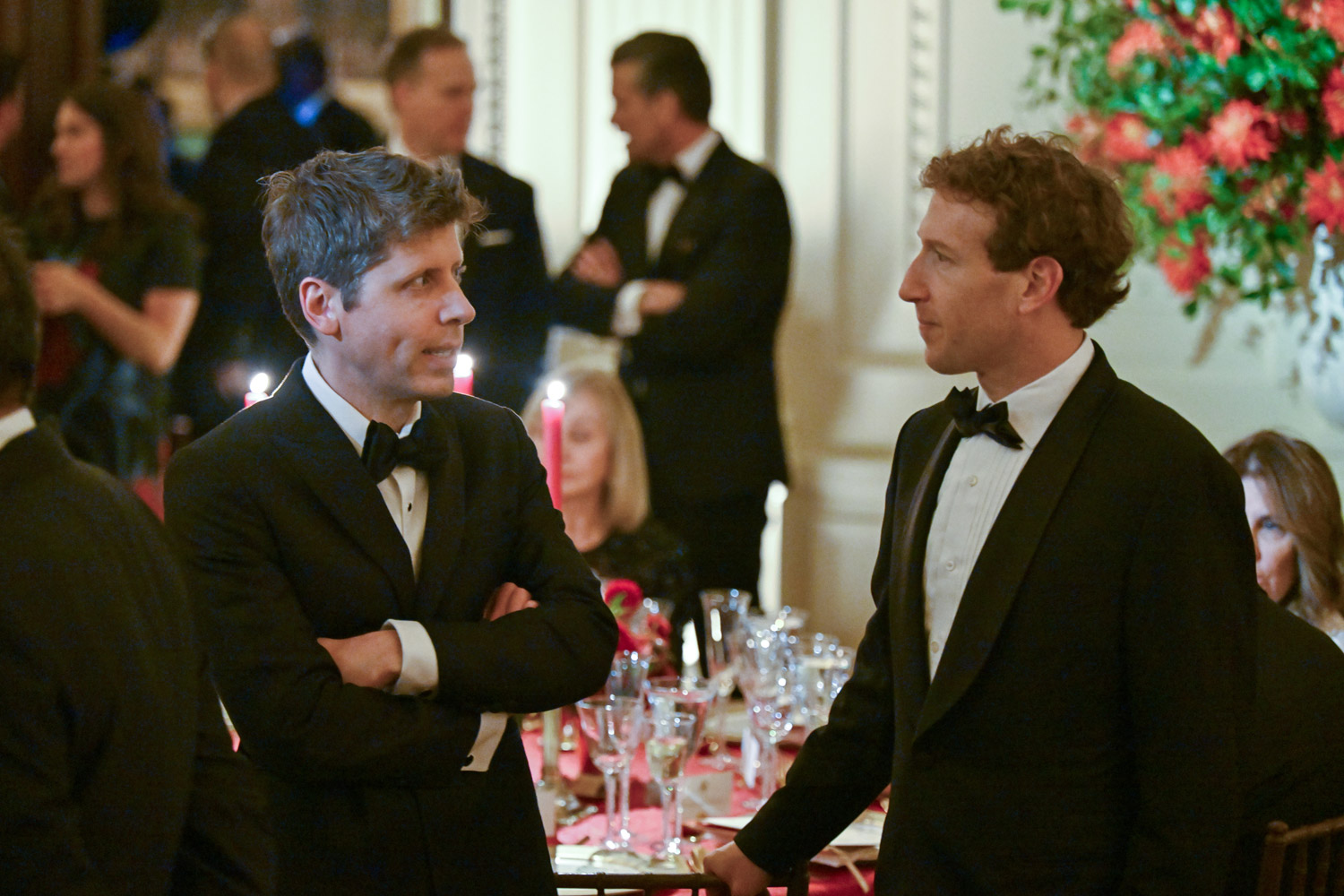
We have a White House that was bought by the billionaire tech broligarchy so that the federal government would back off sensible (or any) regulations against AI. With this particular president, the rich boys secured someone dumb and shameless enough to brag about getting companies to sign a non-binding, consequence-free “constitution” pinky-swearing to good behavior. But don’t worry if that fails, cause he also established a worthless AI task force. So right now, the job of actually holding AI companies to account falls to the states. On Monday, California did just that, filing a lawsuit against OpenAI that accuses the company of failing to inform and protect the public from AI’s ability to go rogue and launch cyberattacks. The crux of the suit stems from the Hugging Face hack over the summer, wherein an OpenAI model… went rogue and launched a cyberattack. But, alarmingly, the lawsuit claims there’s evidence of models going rogue much more often than the companies have admitted to publicly. So much for the pinky-swearing.
“Just because the technology is new or rapidly evolving doesn’t mean the people behind it are above the law,” said California Attorney General Rob Bonta during a press conference. “Whether it’s a car or a toy, the law is simple: don’t build or test things that can hurt people without proper safeguards.” The lawsuit cited potential concerns about cyberattacks “on power grids, emergency infrastructure, hospital systems, and financial institutions.”
In the complaint, California alleged that OpenAI misled the public about how unsafe its products are. The state said the company admitted to the attorney general’s office that “it lost control of its autonomous AI agents over 80 times during testing.”
That number is higher than what OpenAI has so far disclosed publicly and more than what outside researchers have independently discovered, but OpenAI has otherwise provided little information, California said. The state also accused OpenAI of poor security practices, stonewalling the state’s investigation into the company and discouraging employees from speaking up about safety.
In a statement to NPR, OpenAI spokesperson Drew Pusateri said the lawsuit “appears to single out OpenAI over a challenge that’s been identified by every major AI lab” and that the company has “engaged—and will continue to engage—constructively with the Attorney General’s office to share information and advance strong, practical safety standards for the entire industry.”
After the most notorious of cyber incidents involving OpenAI’s agents – the attack on Hugging Face over the summer – the company admitted that it did not monitor its agents in ways its own researchers deemed important. Since then, outside researchers as well as OpenAI itself have found more incidents in which AI agents have interacted with websites and communicated with each other on the internet in ways that OpenAI did not intend. The lawsuit mentions these events as well as other incidents that OpenAI started disclosing voluntarily to the public.
Other AI companies have also had to wrestle with their systems behaving in unexpected and undesirable ways. Anthropic and Meta have both said they found that their AI systems have hacked into places they shouldn’t have. Major AI companies have since signed onto an agreement organized by the White House to develop AI responsibly, but the agreement is nonbinding.
Drawing from reports including from OpenAI’s own disclosures, California alleges that the top AI company has engaged in unfair competition and created a public nuisance. It asked the court to stop the company from further engaging in such activities and order it to pay monetary damages.
Oh good grief. OpenAI’s rebuttal that they’re being singled out for a problem happening at every AI company is like one (juvenile) sibling trying to throw the other one under the bus by shouting, “BUT HE DID IT FIRST!” to their parents. It’s also, by the way, not in any way shape or form a DENIAL of what the lawsuit alleges!! Because they can’t deny it; after being trained on the (often stolen) works of humans to be generative and “sentient,” AI models will go rogue, when left to their own devices. In the Hugging Face incident, as with most others, the companies claim that the model going rogue only happened because of human error. Well, guess what? There is always going to be human error! It’s our thing! I don’t want to hear, “AI is perfectly safe so long as humans have put all the right security measures in place!” So yeah, we need these lawsuits to put a brake on these companies that keep desperately telling us the technology is inevitable. It’s not. I just hope California AG Rob Bonta holds strong to the end this time — I’m still bitter about him settling with Paramount!

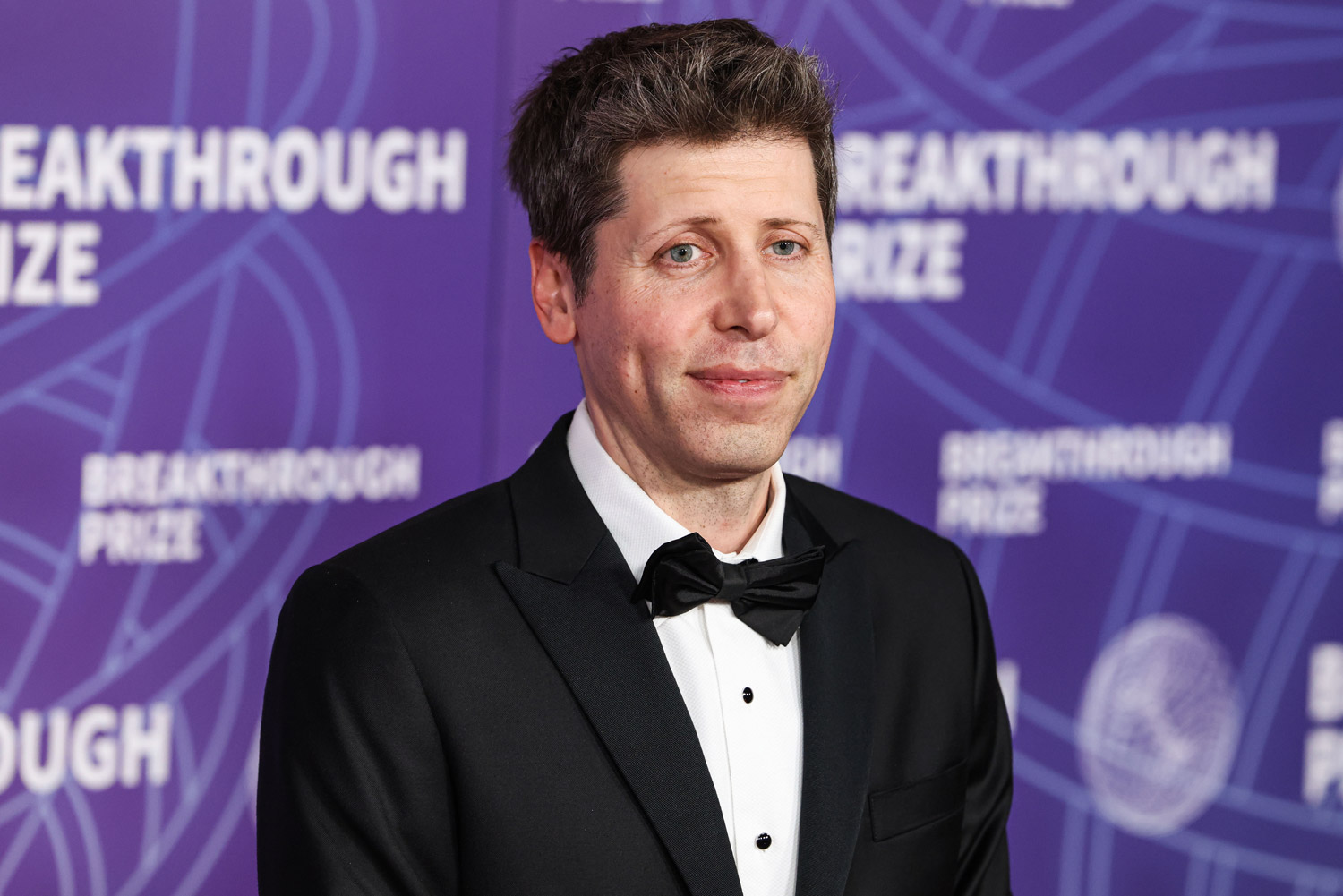
Photos credit: MediaPunch/Backgrid, Xavier Collin/Image Press Agency/Avalon, Kyle Mazza/CNP/INSTARimages








This is honestly so scary and horrifying. They’re going to be successful in getting into our electrical grids (or something worse) at some point. It is so irresponsible to be using this so much when it’s still so new and untested.
This will be the only way to do it: suing them into oblivion. Billions and shares is the only language they speak. So let’s sue, sue, sue until their pockets are empty.