

There’s good news and bad news on the cyclospora front; the good news is, we can safely eat iceberg lettuce again! The Taylor Farms recalled products linked to the outbreak were all removed from shelves and we’ve passed the best-by dates anyway. The bad news is… that was the only current outbreak with a named food source. There are another FIVE cyclospora outbreaks that health officials haven’t been able to confirm sources for through traceback efforts. Part of that has to do with cyclospora being biologically designed to outwit human food testing measures. The Darwin of the parasite world, if you will. Whereas bacteria can be grown in labs and genetically compared to cases in the field, cyclospora — which isn’t bacteria but an “apicomplexan protozoan,” supposably — eludes identification through such pedestrian forms that work for bacteria, puh-lease. (Note: there’s no scientific data showing that cyclospora is the elite snob of the parasite world, that’s just my anthropomorphizing.) Cyclospora is likewise unusually resistant to our typical food cleaning methods, because of course. Here’s where we stand:
Five cyclospora outbreaks in search of a source: As of August 13, the FDA’s CORE Outbreak Investigation Table listed six active Cyclospora investigations — and five of those six have no identified food source. According to the FoodPoisoningBulletin tracker updated August 14, 236 confirmed illnesses are spread across those five unsolved files, with the largest single case count growing from 115 to 172 between August 9 and August 13 after the FDA folded in additional cases based on similar exposure reports.
North Carolina is still looking at parsley & cilantro: North Carolina’s situation illustrates what “no named food” means in practice. The state has confirmed 906 cyclosporiasis cases since May — 31 hospitalizations, no deaths — with state health officals reporting that parsley and cilantro appear more often than expected among patients’ pre-illness food diaries.
Exceptionally hard to trace: Cyclospora presents a diagnostic challenge that has no parallel in bacterial foodborne illness investigations. Unlike Salmonella or E. coli — which can be cultured in a clinical laboratory and fingerprinted using whole-genome sequencing to connect a patient sample to a farm sample — Cyclospora cannot be lab-cultured and has no validated whole-genome sequencing typing method. Investigators cannot take a stool sample from a North Carolina patient and molecularly match it to a specific cilantro-growing operation in Mexico the way they could with a bacterial pathogen. Tracebacks rely entirely on patient interviews and supply-chain analysis, both of which are hampered by the parasite’s 7-to-14 day incubation period — by the time a person falls ill, the meal responsible is at best a vague memory.
Survival of the fittest parasite: Cyclospora cayetanensis is not a bacterium. It is an apicomplexan protozoan — the same class of organism as the parasites that cause malaria and cryptosporidiosis — and its lifecycle is specifically structured to defeat the standard food-safety protocols applied to fresh produce. The parasite enters produce in an oocyst form: a thick-walled, egg-like structure that clings to produce surfaces and is highly resistant to chlorine at the concentrations used in commercial produce washing and municipal water treatment. No EPA-registered disinfectant product has been demonstrated effective against Cyclospora oocysts.
So yeah, cyclospora is a sneaky little f–ker who defies our testing and cleaning procedures. But to be fair to the parasitic protozoan, we’ve really unmet the moment in order to make it such a catastrophic season this year. The Taylor Farms site in Mexico where the iceberg lettuce was sourced to had not been inspected by the FDA since 2019 — SEVEN years ago! — and the only inspection before that was in 2013. I’m no health expert (not that it matters anymore, sigh) but I’d like to think that food suppliers’ facilities are inspected more frequently than the recommended lifespan of a mattress. Then put a Health Secretary in charge of multiple agencies who’s more known for contributing to outbreaks than preventing them, and we’ve got ourselves a recipe for diarrhea-inducing salad. MAGA: Make America Gastrointestinally Afflicted.
To my North Carolinian bitches: Stay strong! And may parsley & cilantro be tested, sourced, and cleared to return to your dining tables soon.
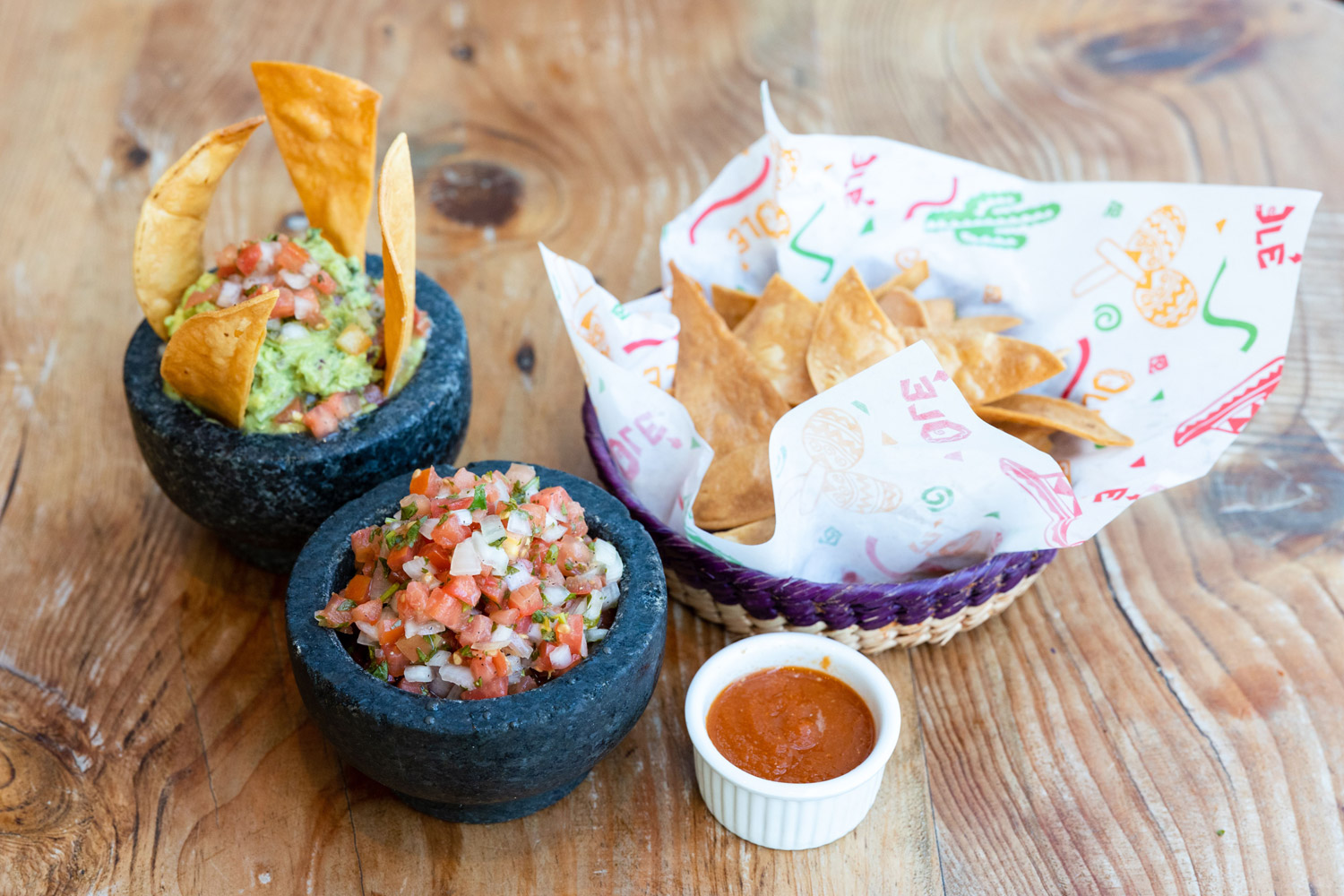
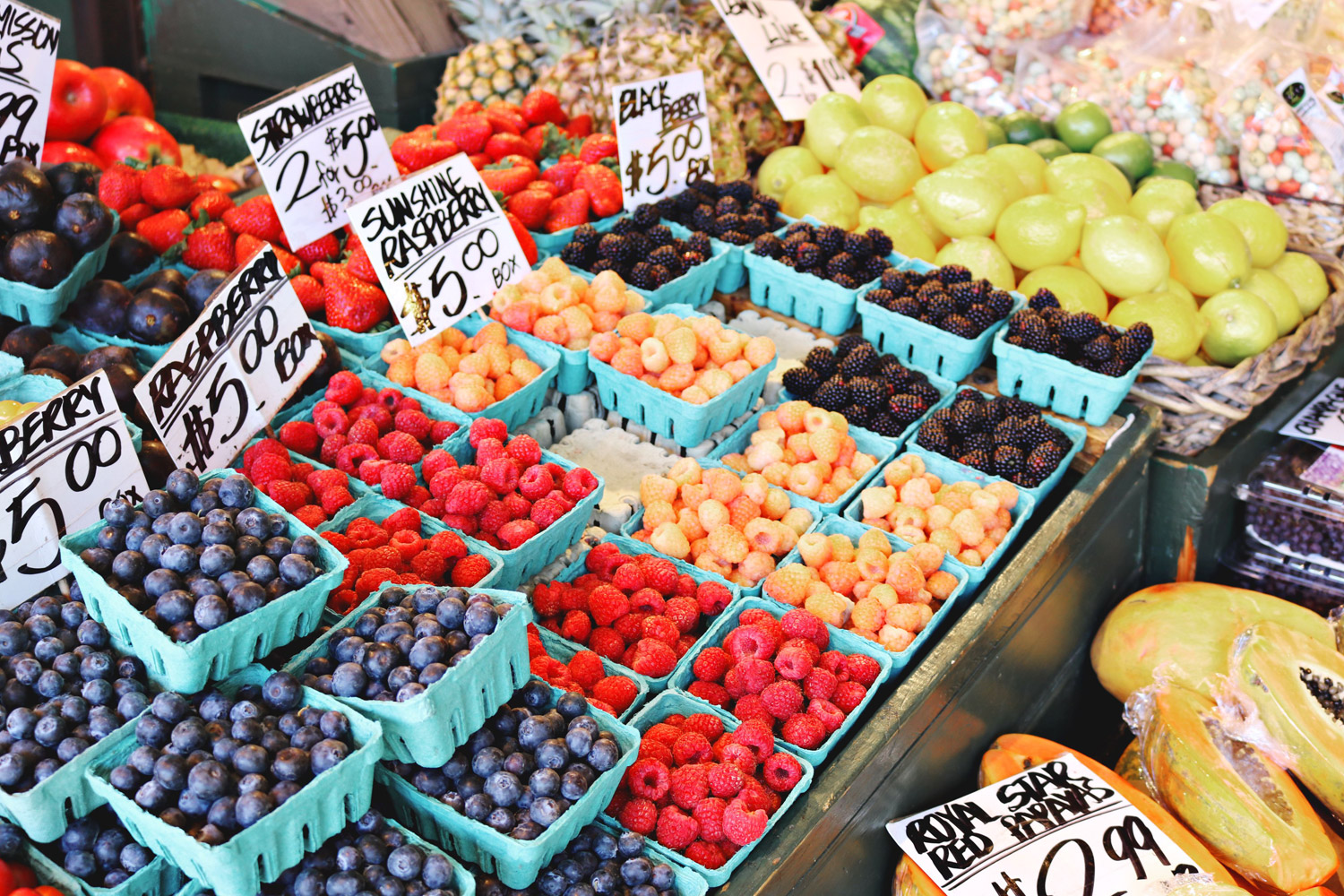
Photos via social media and credit Snappr and Madison Inouye on Pexels, Louis Hansel on Unsplash











Taylor Farms donated a million dollars to Trump 6 days after the FDA decided to stop a program designed to trace food borne illnesses back to the source.
I mean it feels like everything is getting recalled right now, eggs, dog food, vegetables, they found metal parts in some of the plant based brands.
Who would have thought putting profit first could have unintended consequences? If only we could have seen this coming.
That said, while I am fairly meh on parsley, coriander/cilantro is the food of the devil and in EVERYTHING. Back when I used to travel for work all the time it was the terrible choice of eat one of the two ‘safe ‘ M&S salads that I liked or spend half an hour picking every last piece of the evil green weed out.
The FDA is (has pretty much always been) understaffed. And that’s by design. 🙁
I have completely given up on fresh veg until and unless they get a handle on this.
I got food poisoning earlier and Im pretty sure it’s because in a moment of weakness I had some coleslaw.
So much for summer salads. 😿
I have been wanting to start a little herb garden for a while. Now I’m extra inspired!
I’m with you! Buying frozen or can for the most part except bananas and cucumbers. I live in Las Vegas and while we do have farmer’s markets, they have been disappointing at times and not worth the drive. Hopefully this mess will get cleared up but I’m not holding my breath.
We need to lock these people up.
I’ve been sick for a week and a half and got tested for everything possible. The only test that hasn’t come back is cyclospora… the doctor says it will take two weeks at least because they are in short supply of the materials to do the testing, and because so many people are being tested. Meanwhile I started Bactrim yesterday (I think they gave it to me because I was so miserable.) I can’t eat properly, have no appetite, get nauseous frequently, and have already lost five pounds. The doctors keep urging a BRAT diet but I’m diabetic so white rice, white toast, and bananas aren’t good for me.
Refraining from publishing my wishes for the current administration here…